8TH AFCC REGIONAL CONGRESS | SPEAKERS 2026
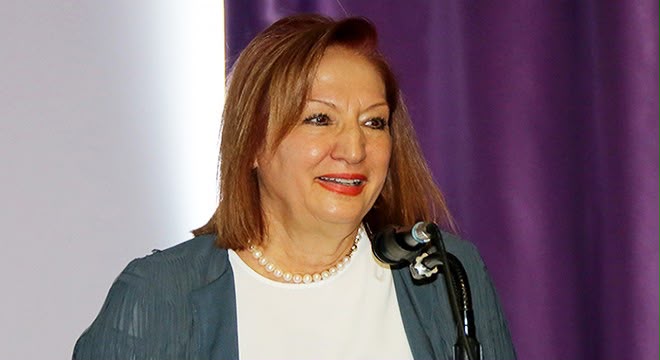
Prof. Tomris Ozben is a distinguished professor and international leader in clinical chemistry and laboratory medicine. She is the President of the International Federation of Clinical Chemistry and Laboratory Medicine (IFCC) and has also served as President of the European Federation of Clinical Chemistry and Laboratory Medicine (EFLM) and the Balkan Clinical Laboratory Federation. She is closely involved in global laboratory medicine leadership, including work with the IFCC Foundation for Emerging Nations and initiatives on green and sustainable laboratories.
Over her career at Akdeniz University in Turkey, Prof. Ozben has held senior academic and administrative roles, including Vice Rector, Director of the Central Laboratory of the University Hospital, and Chair of the Department of Medical Biochemistry. Her scientific work focuses on clinical biochemistry, laboratory management, early diagnostic and prognostic biomarkers, cancer biomarkers, liquid biopsy, validation of new laboratory tests, and sustainable laboratory practice. She has published more than 300 scientific papers, edited several books, and has been invited to speak at more than 500 international conferences.
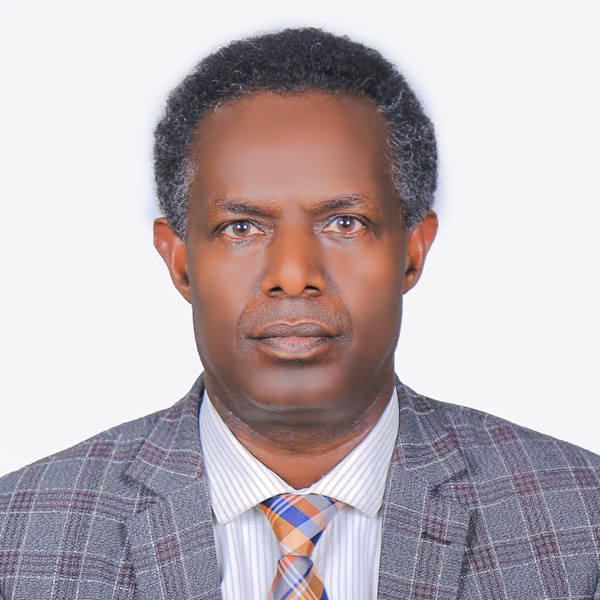
Dr. Gizachew Taddesse Akalu is a laboratory medicine specialist, academic, and professional leader in clinical laboratory science. He serves as President of the African Federation of Clinical Chemistry (AFCC), the IFCC regional federation representing clinical chemistry and laboratory medicine professionals across Africa. He is also an Assistant Professor of Microbial, Cellular and Molecular Biology and Research Coordinator at St. Paul’s Hospital Millennium Medical College in Addis Ababa, Ethiopia.
Dr. Akalu has a strong background in medical microbiology, infectious diseases, diagnostics, and laboratory medicine. His professional experience includes leadership in the Ethiopian Medical Laboratory Association, where he previously served as President and later Executive Director. He is a certified Medical Laboratory Technologist and Clinical Laboratory Sciences Specialist, with training in diagnostic and public health microbiology, clinical trials for in-vitro diagnostics and medical devices, project management, and laboratory quality systems including ISO/IEC 17025 and ISO 15189.
Through his academic, research, and professional leadership roles, Dr. Akalu has contributed to laboratory strengthening, quality improvement, education, and diagnostic capacity building in Ethiopia and across Africa.
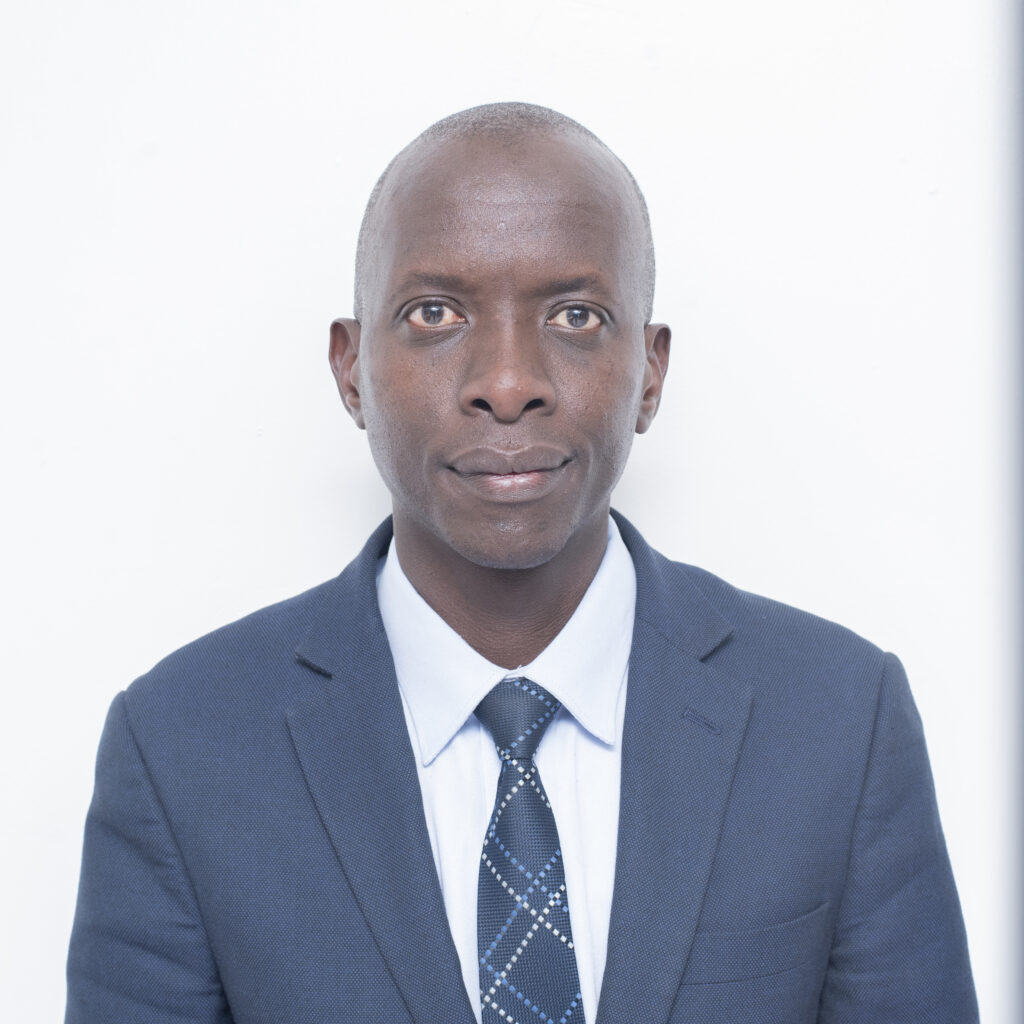
Peter Kibet Kiptim is a Kenyan clinical chemistry and laboratory medicine professional serving as President of the Clinical Chemists Association of Kenya and Chair of the Local Organizing Committee for the 8th African Federation of Clinical Chemists Congress. He is also the Head of the Clinical Chemistry Laboratory in the Department of Laboratory Medicine at Kenyatta National Hospital, where he has contributed to diagnostic service delivery, laboratory quality assurance, and the implementation of improved testing protocols.
Mr. Kiptim has played an active role in strengthening clinical chemistry and laboratory medicine practice in Kenya through professional leadership, continuing education, quality improvement, and collaboration across the laboratory medicine community. His work also extends to point-of-care testing, where he serves as Secretary to the AFCC POCT Committee and supports the coordination of POCT programmes to improve reliability, compliance, and clinical impact. Through his leadership in CCAK and the AFCC Congress Local Organizing Committee, he continues to support professional growth, diagnostic excellence, and regional collaboration in laboratory medicine.

Professor Rajiv Erasmus is a respected leader in clinical chemistry, chemical pathology, and laboratory medicine in Africa. He serves as the AFCC Representative on the IFCC Executive Board and is the Congress Chair for the 8th AFCC Regional Congress. He is an Emeritus Professor at Stellenbosch University and holds adjunct professorial appointments with Cape Peninsula University of Technology and the University of Botswana.
Prof. Erasmus has held senior academic and professional leadership roles, including serving as Executive Head of the Department of Pathology at Stellenbosch University and as President of the African Federation of Clinical Chemistry. He is also associated with the African Journal of Laboratory Medicine as Editor-in-Chief. His work has contributed significantly to laboratory medicine education, quality improvement, research, and professional capacity building across Africa, with interests spanning chemical pathology, clinical chemistry, metabolic disease, laboratory systems strengthening, and digital transformation in laboratory medicine.
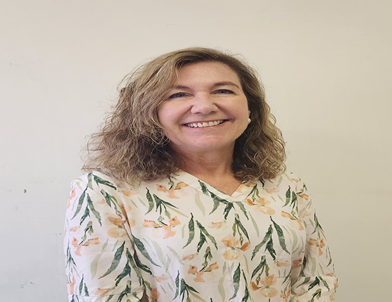
Prof Annalise Zemlin is a C2 NRF-rated researcher and Head of Division of Chemical Pathology (Stellenbosch University and National Health Laboratory Service) at Tygerberg Hospital, Cape Town, South Africa.
She is the current chair of the IFCC committee for Clinical Laboratory Management, past chair and now consultant for the IFCC committee on Evidence-Based Laboratory Medicine, a corresponding member of the IFCC Committee for Point of Care Testing and a consultant for the IFCC Committee on the Education on the Use of Biomarkers in Diabetes. Her main research interests are Laboratory Management and Operational Research, Point of Care testing, Evidence-Based Laboratory Medicine, and Diabetes Mellitus and Cardiovascular Disease.
She is actively involved in module and curriculum development, training of undergraduate students, teaching and supervising of postgraduate students, and is module coordinator of the South African Laboratory Management Module in Pathology. This module is presented annually to all senior pathology registrars in South Africa and is part of the national training curriculum. She has a keen interest in the extra-analytical phases of laboratory and point of care testing and the use of laboratory audits as quality improvement tools. She has performed numerous laboratory audits in South Africa and with other countries in Africa. She is a founder member of the College of Pathologists of East, Central and Southern Africa which was founded in Kampala, Uganda in 2010.
Title: Evidence-based laboratory medicine: Why critical appraisal is an ethical responsibility
Abstract
Laboratory tests influence an estimated 60-70% of all critical clinical decisions, including diagnosis, admission, discharge, and therapeutic management. As a result, evidence-based laboratory medicine (EBLM) plays a pivotal role in ensuring that laboratory testing is used appropriately, effectively, and in ways that improve the care and outcome of patients, while promoting the responsible use of healthcare resources. Central to EBLM is the process of critical appraisal. This involves the systematic evaluation of evidence for validity, reliability, relevance, and clinical applicability. Much evidence is derived from published studies; however, these should be critically appraised as publication does not necessarily equate to scientific rigour or trustworthiness. The adoption of poorly validated or misinterpreted evidence may contribute to inappropriate testing, diagnostic error, patient harm, and inefficient healthcare delivery. This talk will explore critical appraisal not only as an academic exercise, but as an ethical obligation for laboratory professionals and healthcare providers. In an era of rapidly expanding scientific literature and emerging technologies, the laboratory professional remains the gatekeeper of this evidence. Therefore, critical appraisal of evidence is not optional – it is an ethical obligation in patient-centred care.
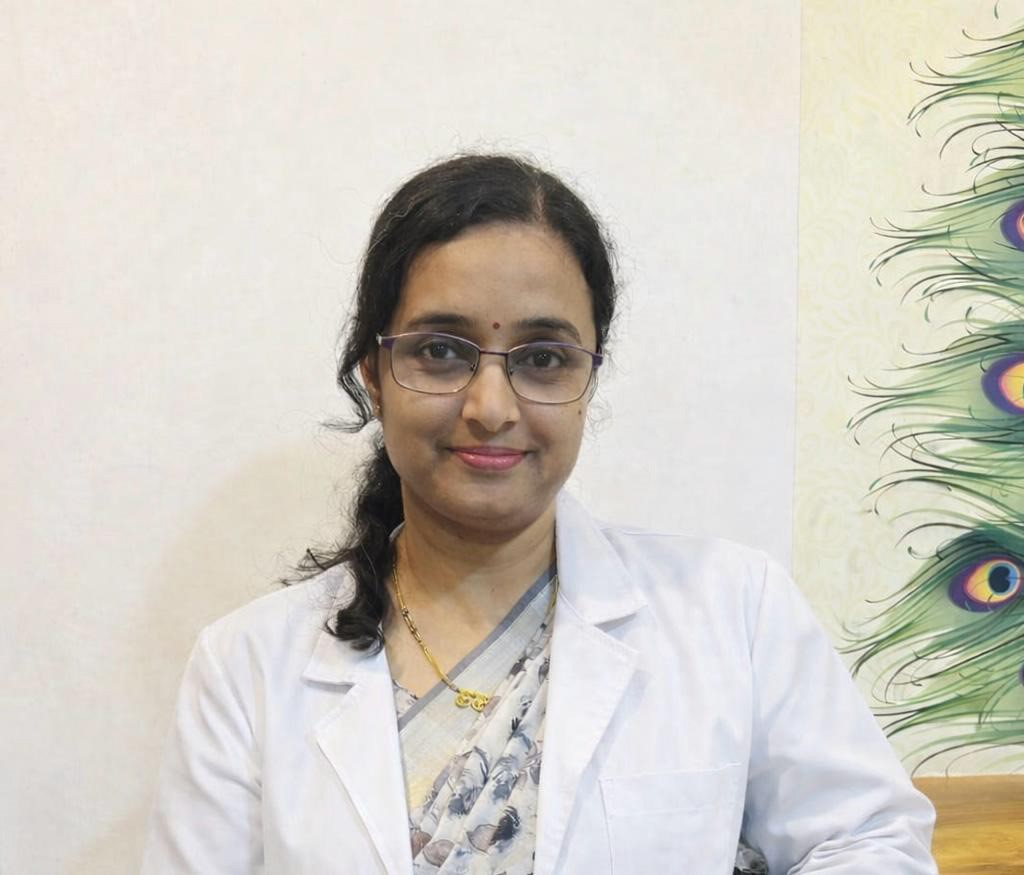
Dr. Namita Mahalle is a Consultant Biochemist at Deenanath Mangeshkar Hospital and Research Center, Pune, India, with over 20 years of experience in clinical biochemistry and laboratory quality management. She holds a Ph.D. in Biochemistry from Savitribai Phule Pune University, India. Dr. Namita has actively contributed to research in vitamin B12 deficiency, metabolic disorders, cardiovascular risk factors, and laboratory medicine, with more than 40 research publications in national and international journals. Her expertise includes clinical chemistry, immunoassays, therapeutic drug monitoring, newborn screening, NABL accreditation & ISO 15189 quality systems. She is currently involved in the development of guideline in the field of kidney disease. She has received several awards, including the IFCC Young Scientist Award. She is a member of the Committee on Kidney Disease (C-KD) of the International Federation of Clinical Chemistry and Laboratory Medicine (IFCC) and an active member of the Association of Clinical Biochemists of India (ACBI).

Dr. Bernard Gouget is currently President, National Committee for the selection of Reference Laboratories, Ministry of Health (France) and past President of the Healthcare Division Executive Committee, Comité Français d’accréditation (Cofrac).
He was associate Professor in physiology at the University Hospital in Paris-Cité, Necker-sick children univ Hospital and Counsellor for public health at the Fédération Hospitalière de France (FHF) until 2019. Academically, Dr. Gouget has also received an M. Sc Health economy and a doctorate thesis in Economy and Law.
He started with IFCC in the beginning of the 90’. Over the past 30 years, he has participated in several medical committees and panels at national and international levels as SFBC-EFCC/EFLM representative (2005-2016); Chair-EFCC WG on Communication (2010-2011); LABAC-IFCC and EFLM representative since 2018. He was IFCC-CPD chair (1998-2003), Member and Treasurer at the IFCC-EB (2009-2014), Chair of the IFCC Nomination committee (2015-2017). He was the chair of the TF on IFCC History until May 2026. He was President of EuroMedLab Paris 2015 and President of the IFCC General Conference Madrid 2016. He chaired the IFCC’s C-MHBLM from 2018 to 2023, whose terms of reference are to work on the smart technologies that are transforming the traditional healthcare system in an all-round way, and making laboratory medicine more convenient, more efficient and personalized for a sustainable development in the digital decade of the 2020s.
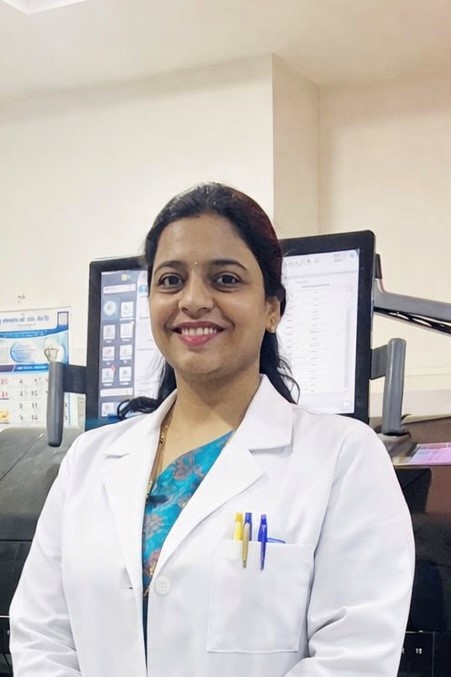
Dr. Sharwari Narawade is an experienced medical professional specializing in Clinical Biochemistry and Laboratory Medicine. She completed her MBBS and MD in Biochemistry from B.J. Government Medical College and Sassoon General Hospital, Pune, in 2016.
She is currently associated with Deenanath Mangeshkar Hospital and Research Centre, Pune, where she serves as an Associate Consultant in the Clinical Biochemistry section of the hospital Pathology Laboratory.
Dr. Narawade has actively participated in both national and international research projects and has co-authored research papers published in reputed national and international journals.
Her professional interests include laboratory quality control, routine biochemistry, protein electrophoresis and immunofixation, LC-MS for therapeutic drug monitoring and newborn screening. She is particularly interested in integrating advanced laboratory techniques with accurate clinical diagnostics to support quality patient care.
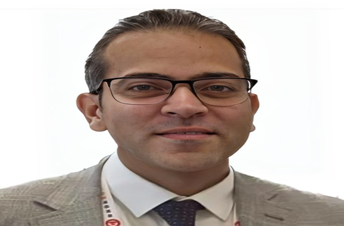
Dr. Ramy Assaad Khalil is a Lecturer of Chemical Pathology at the Medical Research Institute, Alexandria University, Egypt. He is a holder of MD/PhD in Chemical Pathology, and a certified Clinical Laboratory Consultant. He is Consultant for the IFCC Committee on Evidence-Based Laboratory Medicine (EBLM), and a Corresponding Member of the IFCC Committee on Mobile Health and Bioengineering in Laboratory Medicine (MHBLM). In parallel with laboratory medicine, he has pursued advanced clinical qualifications in Endocrinology. He is a Collegiate Member of the Royal College of Physicians of London (MRCP[UK]), he also holds the Specialty Certificate Examination in Endocrinology and Diabetes (SCE-RCP), as well as the European Board of Endocrinology, Diabetes and Metabolism (EBEDM). He is actively involved in postgraduate education (MSc and MD courses), training of laboratory physicians, in addition to clinical and laboratory research with special interest in thyroid, diabetes, cancer markers and EBLM. He is a Member of the European Society of Endocrinology and is currently Coordinator for International Cooperation for The Medical Research Institute, Alexandria University.
Talk Title: From Evidence to Practice: Ethical Decision-Making in the Automated Laboratory
Abstract
As laboratory medicine becomes increasingly automated, translating evidence into testing decisions requires careful consideration of both scientific validity and ethical responsibility. Evidence generated from clinical studies, outcome research, and laboratory performance data must be transformed into guidelines, testing algorithms, and automated decision-support systems that directly influence patient care. This process raises important ethical questions regarding the appropriate use of tests, the balance between innovation and patient safety, and equitable access to diagnostic services. We aim to discuss how evidence-based laboratory medicine can guide ethical decision-making throughout the testing pathway, from test selection and interpretation to the implementation of automated protocols. A particular emphasis will be placed on ensuring that automation and artificial intelligence (AI) support, rather than replace, professional judgment and that diagnostic innovations are introduced without compromising patient safety or increasing healthcare disparities. The presentation will also explore the importance of communicating uncertainty associated with laboratory results, diagnostic algorithms, and emerging evidence to clinicians and policymakers, enabling informed and transparent decision-making. By integrating ethical principles with evidence-based practice, laboratory professionals can ensure that automated testing strategies remain patient-centered, clinically meaningful, and aligned with the goals of high-quality healthcare.

Dr. Sadanand Naik is a distinguished medical biochemist with a Ph.D. from Pune University. He has undergone advanced training at prestigious institutions including the Radcliffe Research Institute (Oxford, UK), Sheffield Children’s Hospital (Sheffield, UK), and at Bergen University (Norway), NIN and AIIMS. . He has also visited Oxford , Southampton and Finland under the Wellcome Trust Fellowship.
At present: H.O.D. (Clinical Biochemistry), K.E.M. Hopsital, Pune, India
Sr. Const. Biochemist, Deenanath Mangeshkar Hospital & Res Centre, Pune, India
Dr. Naik has served as the PI in :
- Daily milk intake improves vitamin B12 deficiency among lactovegetarian Indians, (DBT), India, and DCSR, Denmark.
- Daily milk intake during pregnancy enhances the vitamin B12 status of mothers and offspring with Aarhus University, Denmark (Dr. Christian Heegaard and Prof. Ebba Nexo)
He is the Head of the Department of Clinical Biochemistry at KEM Hospital, Pune, and also serves as a Senior Consultant Biochemist at Deenanath Mangeshkar Hospital & Research Centre, Pune.
Dr. Naik was honoured with an Oration ( GS Medical College and KEM Hospital, Mumbai) at the ACBI Conference in 2014. He has supervised Ph.D. students in Medical Biochemistry under the Maharashtra University of Health Sciences (MUHS) and has authored 72 publications in peer-reviewed national and international journals.
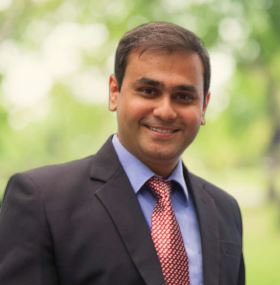
Dr. Swarup A. V. Shah is a Translational Researcher currently serving as a Senior Molecular
Scientist at the P. D. Hinduja Hospital & Medical Research Centre in Mumbai, India. He is also
the Vice-Chair for the Emerging Technologies Division (ETD) of the International Federation
of Clinical Chemistry and Laboratory Medicine (IFCC).
With over a decade of post-doctoral experience in laboratory medicine, Dr. Shah’s research
focuses on clinical genomics, transcriptomics, and pharmacogenetics. His core expertise lies
in utilizing advanced molecular diagnostics, including high-throughput sequencing and
nucleic acid detection platforms, to advance precision medicine, discover population-relevant
biomarkers, and evaluate gene-environment interactions.
In recognition of his research contributions, Dr. Shah was elected a Fellow of the Academy
of Diagnostics & Laboratory Medicine (FADLM) in 2024, and is the recipient of the
prestigious APFCB Young Scientist Award in 2016 (Taipei, Taiwan) and the 2018 AMP
IMPACT Award. He also serves on several prestigious editorial boards, including Scientific
Reports (Nature Portfolio) and Clinical Chemistry and Laboratory Medicine (CCLM).
With more than 30 peer-reviewed publications, international collaborations, and active
leadership roles within the IFCC, Dr. Shah is committed to developing and implementing
advanced molecular and multi-omics approaches that enhance diagnostic interpretation,
support precision medicine, and ultimately improve patient-centred care.

Dr Shanel Raghubeer is a South African National Research Foundation-rated senior researcher at the SAMRC/CPUT Cardiometabolic Health Research Unit based at Cape Peninsula University of Technology (CPUT). Her research focuses on phytotherapy, metabolic signalling using in vitro models, and community studies. Dr Raghubeer serves as the deputy chairperson of the nationally registered Research Ethics Committee at CPUT (HWS-REC). She is passionate about conducting novel research with an African focus, educating and training the next generation of South African scientists, and promoting women in STEM.
Title
Artificial intelligence in laboratory medicine: Evidence, bias, and ethical risk
Abstract
Artificial intelligence (AI) is increasingly being integrated into laboratory medicine, with applications ranging from diagnostic support and digital pathology to predictive analytics and workflow optimisation. While these technologies offer significant potential to improve healthcare delivery, there are important concerns regarding the quality of evidence underpinning AI systems, their use across diverse populations, and their ethical implementation in low- and middle-income settings. This presentation will explore how AI models are trained and validated in laboratory medicine, with particular emphasis on the risks associated with biased datasets, limited external validation, and underrepresentation of African populations in global health data. This talk will further discuss the ethical and regulatory challenges that remain, including data governance, transparency, accountability, and equity of access. The presentation will highlight the importance of context-specific validation, inclusive evidence generation, and African participation in AI development and governance to ensure equitable and reliable implementation of AI-driven technologies and diagnostics.
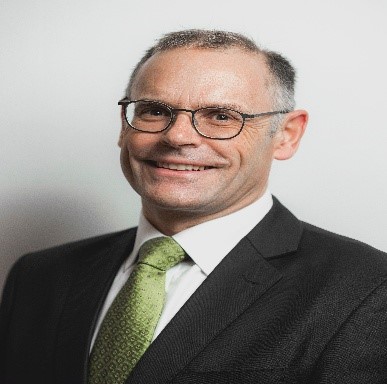
Prof Andrew Don-Wauchope is Head of Chemical Pathology for Laverty Pathology, a division of Healius Pathology in Sydney NSW, Australia. He is trained in endocrinology and chemical pathology and remains affiliated with McMaster University in Ontario, Canada where he is a full professor of Pathology and Molecular Medicine with a cross appointment to Internal Medicine, division of Endocrinology.
Andrew has worked in clinical and/or laboratory practice in South Africa, United Kingdom, Ireland, Canada, and Australia. Through his career Andrew has promoted the role of laboratory medicine, in particular clinical chemistry, as a critical component of clinical care in all steps of the care pathway. He has been involved in training both medical biochemistry residents and clinical chemistry fellows in Hamilton, Ontario and he was the program director for the McMaster University Medical Biochemistry training program (2009-2014). He currently chairs the Royal College of Physicians and Surgeons of Canada speciality committee for medical biochemistry. As a clinical laboratory specialist, he has maintained a wide range of interests in the “chemistry” area and has worked in both academic hospital laboratories and large “private” community laboratories.
His academic interests have been more focused on the theory and application of evidence-based medicine. He has supported the development and publication of a few clinical practice guidelines. He currently chairs the IFCC committee on Evidence-Based Laboratory Medicine.
Clinically he was in active practice until he moved to Sydney in 2023, with a specialist lipid clinic practice at the Hamilton General Hospital in Ontario.
He is a past president of the Canadian Association of Medical Biochemists and has served as Chair of the AACC Education core committee and has held an executive leadership role in a large private laboratory in Canada.
Title: How to ethically read a scientific paper: Bias, transparency, and misleading evidence
Abstract. The scientific literature is an essential part of the evidence that we use to practice laboratory medicine. Understanding that bias is part of the study planning, design and reporting is key to appraising the evidence presented in a published report. As providers of laboratory services our ethical responsibility to the users of our services is to make sure we have adequately considered the evidence for the tests that we have provided. This includes understanding what bias is inherent in the report. Types of evidence used in the context of laboratory medicine are different to those used in clinical medicine. Evidence based laboratory medicine has tools that can help us when we read articles to critically appraise the evidence presented to us. This presentation will address the items that should be considered as articles are critically appraised and highlight how the specific tools and checklists for evidence-based laboratory medicine can facilitate critical appraisal.
Presenter: Dr. Andrew Don-Wauchope MB.BCh, M.D. FRCPEdin, FCPath, FRCPath, FRCPA; Head of Chemical Pathology, Laverty Pathology, Sydney, NSW, Australia
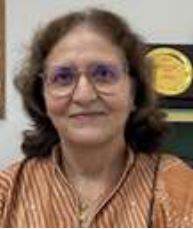
Past President, ACBI (Association of Clinical Biochemists of India ); other posts held: Vice President, North Zone Executive.
Consultant, IFCC EBLM C (International Federation of Clinical Chemistry Evidence-Based Laboratory Medicine Committee)
Member, IFCC Task Force for LMPG (Laboratory Medicine Practice
Immediate Past Chairperson, CAHO DD (Diagnostic Division, Consortium of Accredited Healthcare
Director, Delhi Chapter of Foundation Quality (India)
President, Delhi Chapter ACBI
Executive Member, Indian Medical Association New Delhi Branch (IMA NDB)
Member, Technical and Accreditation Committees, NABL
Fellowships by ACBI(2018), Royal College of Pathologists(2019), and Indian Academy of Biomedical Sciences(2025)
Oration Dr. T.N. Pattabhiraman Oration, 2023 awarded by ACBI
Other Awards Dharam Vira Award of Excellence & 3 Long Service Awards by SGRH (at 20, 25 and 30 years of
James Willerson Clinical Award by International Academy of Cardiovascular Sciences (during their Annual Conference at Louisville,
Kentucky, USA, 2013)
Lifetime Achievement Award by the Indian Society of Lead Awareness and Research ( InSLAR
Publications > 150 (including 1 book, 17 chapters, 2 white papers, 59 papers, 100 abstracts)
Areas of interest: Diabetes Mellitus, Cognitive Impairment, Cardiovascular Disease, Stroke, Laboratory Quality.
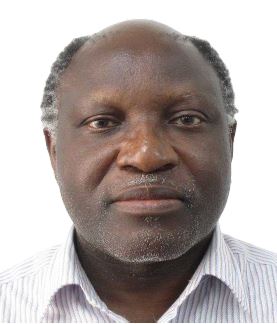
Professor of Epidemiology at Stellenbosch University
, Faculty of Medicine & Health Sciences. He is a
Member of the American College of Epidemiology and an Honorary Associate Professor of Epidemiology Epidemiology, Faculty of Health Sciences, University of the Witwatersrand, Johannesburg, South Africa. H is main
research has focus sed on infectious diseases diseases, health risks of climate change, One health and post
COVIDCOVID-19 syndrome in low low-middle income countries.
He holds a PhD in Epidemiology, and a Master of Science in Medicine in the area field of Epidemiology
and Biostatistics obtained from the School of Public Heal th, University of Witwatersrand; Post Graduate
Diploma in Epidemiology obtained from London School of Hygiene and Tropical Medicine, University of
London; Advanced Diploma in Dermato Dermato-venereology from the University of Dar Dar-es -Salaam and Diploma
in Clinical Medicine, College of Health Sciences in Malawi. He has been teaching Epidemiology and Public
Health at undergraduate and postgraduate for close to two decadedecades.
He is a C C-Rated Scientist Scientist, has over 200 publications in peer reviewed international journals. He has
supervised and graduated over 65 postgraduate students (Honours/Masters/PhD) PhD), He has an extensive
network of research collaboration both locally and internationally internationally. Prof Nyasulu is a peer revie reviewer of many
journals and serves on the Editorial Board of the BMC Infectious Diseases Journal Journal, the Malawi Medical
Journal , and is the Founding Chief Editor of the African Journal of Epidemiology. His publication history
can be accessed at: https://scholar.google.com/citations?user=X2JsbpQAAAAJ&hl=en
Urine LAM point-of-care test for the diagnosis of patients with TB/MDR TB in prisons in Sub-Saharan Africa.
Peter S Nyasulu, Department of Global Health, Faculty of Medicine & Health Sciences, Stellenbosch University, Cape Town, South Africa
Abstract
Background: Tuberculosis (TB) and multidrug-resistant TB (MDR-TB) remain major public health challenges in prisons across Sub-Saharan Africa, where overcrowding, poor ventilation, and high HIV prevalence drive transmission and delayed diagnosis. Conventional sputum-based diagnostics are often limited in this setting due to difficulties in sputum production, laboratory constraints, and delays in results. The urine lipoarabinomannan (LAM) point-of-care assay offers a rapid, non-sputum-based alternative that may improve case detection, particularly among immunocompromised individuals.
Methods: This study evaluates the diagnostic performance, feasibility, and clinical utility of urine LAM testing among incarcerated populations in selected prisons in Sub-Saharan Africa. A cross-sectional design will be employed, enrolling presumptive TB cases, including those with suspected MDR-TB. Participants will undergo urine LAM testing alongside standard diagnostic procedures, including sputum smear microscopy, Xpert MTB/RIF, and culture where available. Key outcomes will include sensitivity, specificity, positive and negative predictive values of the LAM assay, stratified by HIV status and CD4 count where applicable. Operational feasibility, turnaround time, and acceptability among healthcare workers will also be assessed using mixed methods.
Results: It is anticipated that urine LAM testing will demonstrate higher sensitivity among HIV-positive individuals and those with advanced immunosuppression, while offering rapid results that facilitate early treatment initiation. The test is expected to identify cases missed by sputum-based diagnostics, particularly in patients unable to produce sputum. Feasibility findings are likely to show high acceptability and ease of implementation in resource-constrained prison settings.
Conclusion: Urine LAM point-of-care testing has the potential to significantly enhance TB and MDR-TB case detection in prisons in Sub-Saharan Africa. Integrating LAM testing into routine prison health services could reduce diagnostic delays, improve treatment outcomes, and contribute to TB control efforts in high-risk, underserved populations.

Prof. Dr. Harald Renz is Professor and Director of the Institute of Laboratory Medicine at the University of Marburg and the University Hospitals Giessen and Marburg GmbH. He is Honorary and Visiting Professor at Kilimanjaro Christian Medical University and Co-Director of the newly founded Center of Excellence for Laboratory Medicine at KCMC in Moshi/Tanzania. He is also a Visiting Professor at the Tongji University School of Medicine, Shanghai, China. His research focuses on the development of non-communicable diseases (e.g., chronic lung diseases, allergies, and metabolic diseases, and he recently started focusing on the impact of climate change and biodiversity on disease development. He has published more than 350 original research papers. His current H-factor is 111, and he has over 44,400 citations in scientific publications (https://scholar.google.com/, April 2026). His D-index is 103; he currently ranks 370th in the medical sciences in Germany (source: Research.com, 2025).
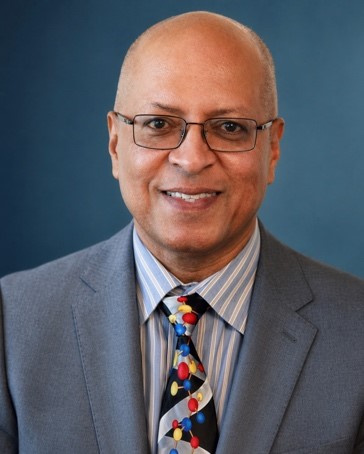
Prof Tahir Pillay is full Professor and Head of the Department of Chemical Pathology and overall Pathology Head, University of Pretoria & National Health Laboratory Service(NHLS), Honorary Professor of Chemical Pathology, University of Cape Town (UCT) in South Africa. He currently holds the highest research ranking of any chemical pathologist in South Africa by the National Research Foundation, South Africa, and is one of only two full professors of chemical pathology in South Africa. He is also the current Clinical Director of International Activities for the Royal College of Pathologists, London.
Prof Pillay has an MBChB cum laude from the University of Natal and a PhD in biochemistry from the University of Cambridge. He completed his postgraduate specialist training at Imperial College and postdoctoral training in molecular and cellular endocrinology at the University of California, San Diego. He is a Fellow of the Royal College of Pathologists, London, the College of Pathologists, South Africa, and the Royal College of Physicians, Edinburgh.
He is pioneering the increased application of single domain antibodies/nanobodies in pathology and laboratory medicine, and forensic toxicology, and has been working on the development of biosensors using nanobodies.
He is also a chapter contributor to the two most prestigious textbooks in Clinical Chemistry and Lab Medicine – Tietz Textbook of Clinical Chemistry, 7th ed (published Aug 2022) and Tietz Fundamentals of Clinical Chemistry (published in 2023). He is also the sole author of two 4-dimensional electronic books in laboratory medicine (“Practical Clinical Chemistry: core concepts”; “Interactive mathematics for laboratory medicine”) that have been released in 52 countries.
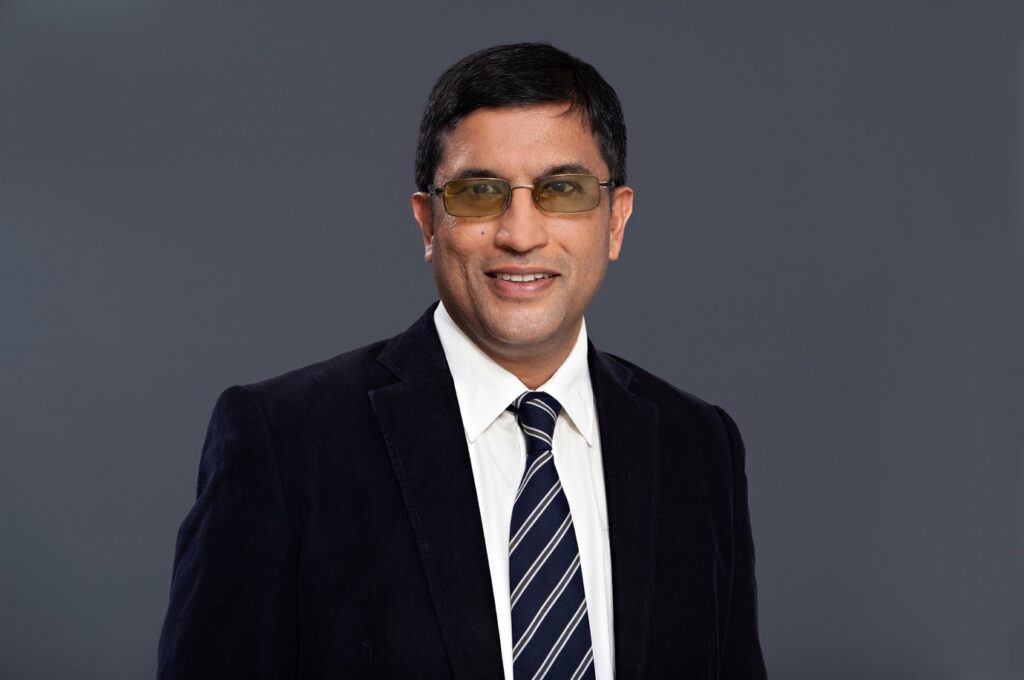
Rivak Punchoo is an Associate Professor and Head of the Division of Chemical Pathology at the University of Cape Town, with a joint appointment at the National Health Laboratory Service (NHLS). Prof. Punchoo has taught across the full educational continuum, from foundational physiology and undergraduate medicine to Honours, MSc, and national specialist registrar training. He founded the Vitamin D Cancer Group, which investigates the chemotherapeutic actions of vitamin D in cancer, with a particular focus on cervical cancer, integrating fundamental laboratory science with translational research at Groote Schuur Hospital, Cape Town. He currently serves as President of the South African Association for Clinical Biochemistry and Laboratory Medicine (SAACB).
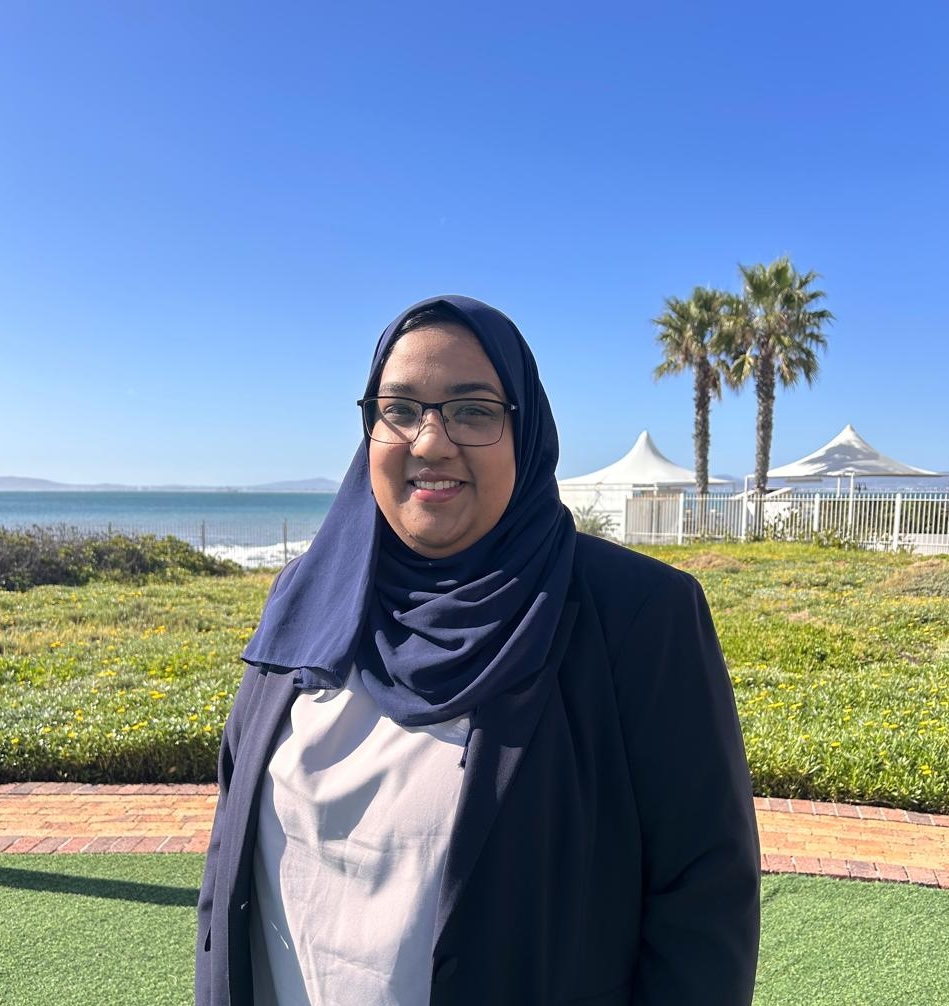
Dr. Saarah Davids is a researcher at the Cape Peninsula University of Technology, specialising in cardiometabolic diseases, laboratory medicine and population health research. She holds a PhD in Medicine from the University of Cape Town, where her research focused on temporal changes in cardiometabolic disease risk within South African mixed-ancestry populations. With a multidisciplinary background in biomedical science, computer science and statistics, Dr. Davids has contributed extensively to research on insulin resistance, hypertension, diabetes, inflammation, iron metabolism and molecular biomarkers in African populations. She has authored and co-authored more than 26 peer-reviewed publications and has presented her work at several international congresses, including the IFCC WorldLab Congress in Durban, Rome and Dubai. Dr. Davids currently serves as a researcher and unit manager within the SAMRC/CPUT Cardiometabolic Health Research Unit, where she leads projects involving research coordination, biostatistics, postgraduate supervision and science communication. She is also actively involved in ethics review, academic mentorship and capacity building for emerging researchers. Her current research interests include iron metabolism, anaemia, cardiometabolic disease risk and the application of molecular and data-driven approaches to improve health outcomes in African communities.

Tricia Ravalico is the executive lead of the UNIVANTS of Healthcare Excellence Program, a prestigious global award program that was developed to recognize, amplify and inspire best practices of healthcare transformation.
She also leads Scientific Leadership, Global Education and Integrated Medical Planning at Abbott with responsibilities that include strategic cultivation of partnerships, collaborations, and education strategies across key global congresses and healthcare disciplines.
Tricia currently serves on the Executive Board (EB) of the International Federation of Clinical Chemistry and Laboratory Medicine (IFCC) and is also Chair of the IFCC Task Force for Corporate Members (TF-CMs). She is current Chair of the Corporate Advisory Board for the Association for Diagnostics and Laboratory Medicine (ADLM), and a key contributor on the ADLM Strategic Task Force on the Value of Laboratory Medicine.
She is passionate about transformational leadership and has actively been serving the IVD industry with strategic programs related to laboratory medicine for nearly 30 years.
Throughout her extensive career within diagnostics, Tricia has held leadership positions in Research and Development, Scientific Affairs, Medical Affairs, Global Marketing, Scientific Leadership and Global Education
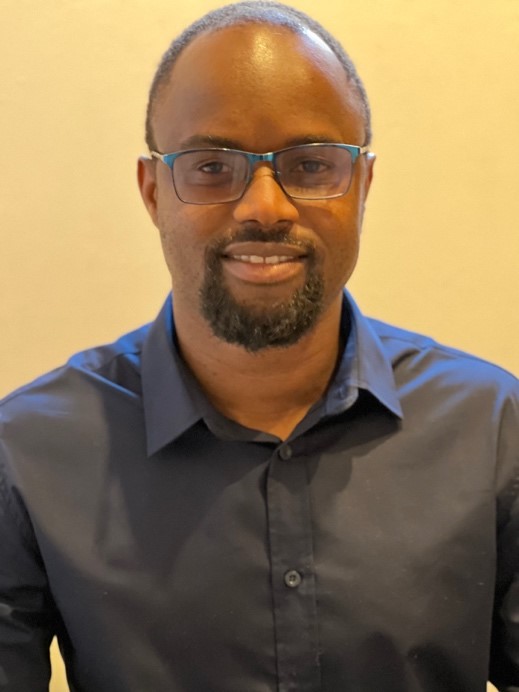
Dr Don M Matshazi is a South African Medical Research Council Research Fellow, currently conducting his research at the SAMRC/CPUT Cardiometabolic Health Research Unit at the Cape Peninsula University of Technology in Cape Town, South Africa. His work focuses on investigating and uncovering epigenetic determinants of cardiometabolic and cardiovascular diseases (CMD, CVD), with a particular interest in the discovery of biomarkers for screening and diagnostic purposes. He has published his research in various international peer-reviewed journals, presented at both regional and international conferences, and supervises both undergraduate and postgraduate student research projects. Through collaborative research with fellow colleagues in the field, Dr. Matshazi hopes to make a significant contribution towards the development and adoption of effective screening and early diagnostic approaches for CMDs and CVDs, to help eradicate the non-communicable diseases burden currently ravaging the African continent. Dr Matshazi is also the current Public Relations Officer for the Africa Federation of Clinical Chemistry’s Young Scientists Task Force.

Professor Idris Yahaya Mohammed is a Consultant Chemical Pathologist, clinical academic, and healthcare leader with over 22 years of post-qualification experience in laboratory medicine, medical education, and health policy. He is currently Provost of the College of Health Sciences at Bayero University, Kano, and holds Honorary Consultant appointments at Aminu Kano Teaching Hospital and the MedServe-Kano Diagnostic Centre. He has previously served as Head of the Chemical Pathology Laboratory at Aminu Kano Teaching Hospital and Dean of Clinical Sciences at Bayero University, Kano.
Professor Mohammed serves as President of the Association of Clinical Chemists of Nigeria (ACCN) and is an active contributor to CLSI document development across multiple domains of clinical chemistry. His research interests include laboratory quality governance, point-of-care testing, biomarkers in sickle cell disease, and clinical biochemistry in resource-limited settings. He has authored over 60 peer-reviewed publications, textbooks, and technical reports.
A Fellow of the National Postgraduate Medical College of Nigeria, Professor Mohammed holds qualifications in Medicine, Clinical Biochemistry, Health Professions Education, and Development Studies. He is a Visiting Professor to several Nigerian universities and has led capacity-building initiatives across Nigeria and the African continent.
At this congress, Professor Mohammed presents Nigeria’s national POCT governance framework, developed in collaboration with ADLM and the ACCN Africa Subcommittee.
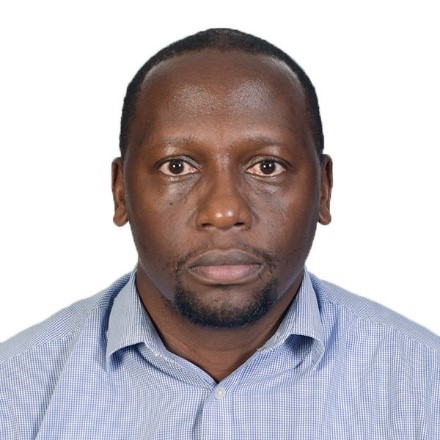
Dr. Geoffrey Omuse is an Associate Professor and Consultant Clinical Pathologist at the Aga Khan University Hospital, Nairobi. He received his Master of Medicine degree in Clinical Pathology from Aga Khan University and PhD in Chemical Pathology from Stellenbosch University. He is a Fellow of the College of Pathologists East Central and Southern Africa, and a Fellow of the Africa Research Excellence Fund. His main research focus over the past 10 years has been in the generation of an evidence base for the utility of laboratory medicine in informing clinical decisions. This includes deriving reference intervals for common laboratory tests. He has an interest in maternal and child health, specifically in the role that biomarkers play in predicting adverse pregnancy outcomes.
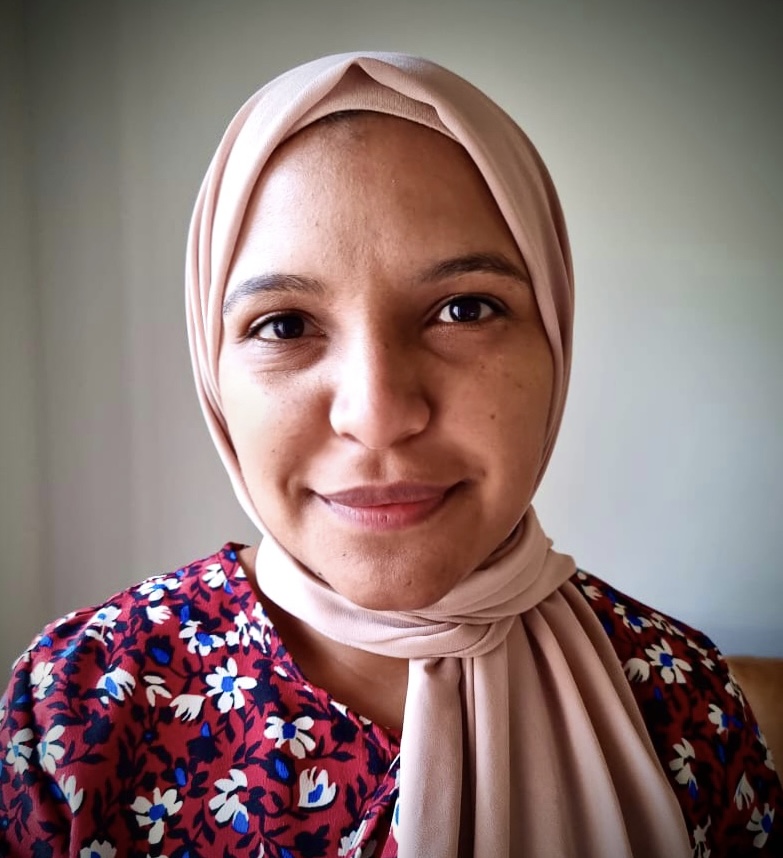
Aaqilah Fataar is a Chemical Pathology registrar at Stellenbosch University, Cape Town, South Africa, and a data-driven diagnostician at heart. She holds a Master’s in Biostatistics and Epidemiology and has multiple peer-reviewed publications. Her focus sits at the intersection of clinical biochemistry, infection biomarkers, and quantitative methods with a particular interest in how biomarkers can sharpen antimicrobial stewardship, and how rigorous statistical modelling can move laboratory medicine beyond the reference interval to ask what the numbers are actually telling us.
She is drawn to advanced statistical and modelling approaches, and enjoys the challenge of applying these to messy, real-word laboratory data. She also serves as a reviewer on both the national and local university’s health research ethics committees, with a particular focus on studies involving vulnerable populations and the ethics governing routinely collected health data.
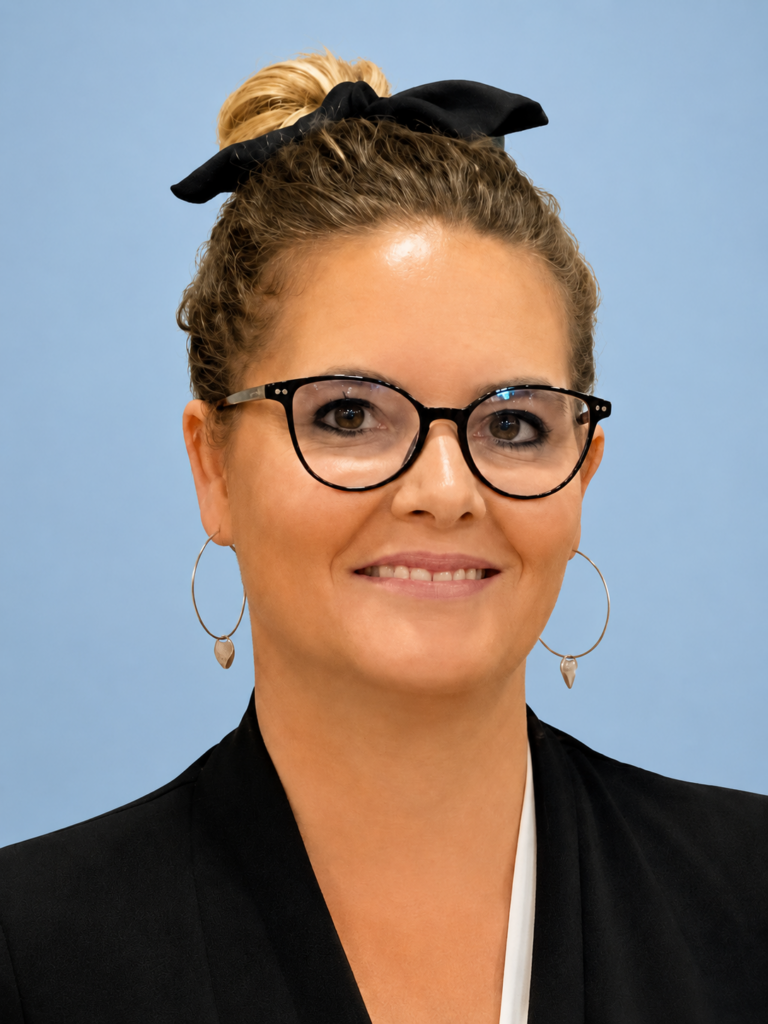
Dr. Barbara van Deventer is a Medical Biological Scientist registered in Clinical Biochemistry with an impressive academic background including a PhD, MSc, and BSc Honours in Forensic Pathology (Medical Criminalistics), all with a focus on molecular biology. She is based at the Department of Chemical Pathology, University of Pretoria, and NHLS. She has developed critical expertise in molecular diagnostics, post-mortem genetic analysis, and cardiac channelopathies, particularly within the context of sudden unexplained deaths in the young, and has published widely in this area. Dr. Stevens has combined laboratory, teaching, and research leadership, positioning her as a future leader in clinical biochemistry.

Dr Ameerah Davids is a chemical pathologist at the National Health Laboratory Service, Tygerberg Hospital, and Stellenbosch University in Cape Town, South Africa.
Her interests lie in bridging laboratory medicine and clinical care, with a particular focus on improving laboratory and clinician liaison. Her research has explored critical communication of laboratory results, laboratory quality improvement, and the practical challenges faced by healthcare providers in resource-limited settings. In addition to her clinical and research work, she enjoys teaching undergraduate and postgraduate students and contributing to laboratory quality initiatives. She values collaboration, curiosity, and finding practical solutions for quality improvement.
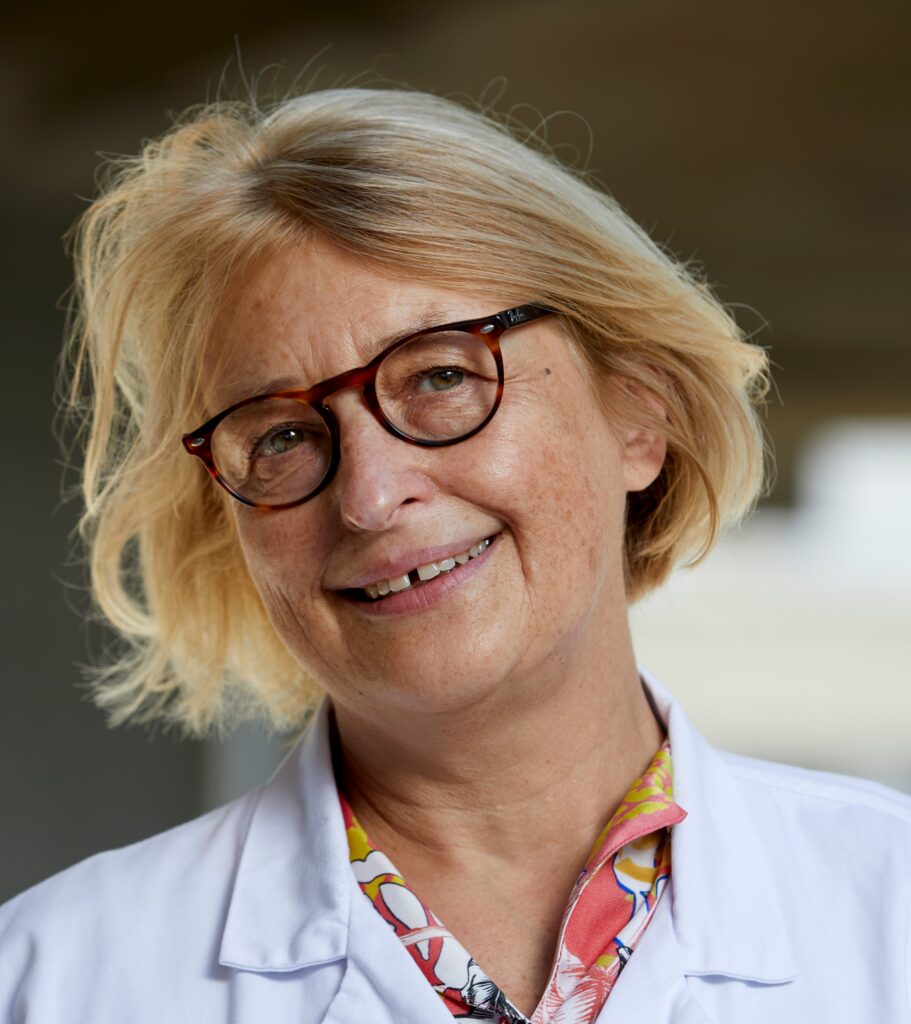
Prof. Florence Doucet-Populaire is a Professor of Pharmaceutical Sciences, clinical microbiologist, and laboratory medicine specialist with extensive expertise in infectious diseases, molecular diagnostics, and antimicrobial resistance. She earned her PharmD and completed a residency in Laboratory Medicine in Paris before obtaining her PhD at the Pasteur Institute, where her research focused on the mechanisms of macrolide resistance in non-tuberculous mycobacteria and Helicobacter pylori.
She was appointed Assistant Professor and Hospital Practitioner at Pitié-Salpêtrière University Hospital in 1994 and was promoted to Professor in 2009. She currently serves as Head of the Department of Microbiology at Paris-Saclay University Hospital Antoine Béclère. In addition, she co-leads the Paris-Saclay University research team, “Host–Pathogen Interactions in Human Sepsis,” within the Institute of Integrative Biology of the Cell at Paris-Saclay University in Gif-sur-Yvette, France.
As Director of the Clinical Microbiology Laboratory, Prof. Doucet-Populaire oversees the management of clinical specimen testing, ensures the quality of laboratory diagnostic services, and provides expert clinical consultation on the selection and interpretation of diagnostic tests. Her research is centered on the development, validation, and clinical evaluation of advanced molecular diagnostic technologies that enable faster and more sensitive detection of infectious diseases, with the ultimate goal of improving patient outcomes and advancing clinical care.

Dr. Cihan Beri is a medical doctor and laboratory medicine specialist with a multidisciplinary background in internal medicine, pulmonology, and molecular diagnostics. After obtaining her medical license in Germany in 2024, she completed postgraduate clinical training in Internal Medicine, including rotations in Gastroenterology and Pulmonology, before specializing in Laboratory Medicine at the Institute of Laboratory Medicine and Pathobiochemistry, Molecular Diagnostics, University Hospital Marburg.
Her academic and research interests focus on evidence-based laboratory medicine, diagnostic stewardship, and the appropriate use of laboratory investigations to improve patient care. She is currently pursuing doctoral research on the “Choosing Wisely” initiative, examining strategies to reduce the overuse of laboratory testing while promoting high-value, patient-centered healthcare and more efficient clinical decision-making.
In addition to her clinical and academic work, Dr. Cihan Beri is a healthcare entrepreneur and co-founder of Vital Ventures GmbH in Germany and Vital Medics Ltd. in Tanzania. Through her combined expertise in clinical medicine, laboratory diagnostics, research, and healthcare innovation, she is committed to advancing quality laboratory services, promoting responsible diagnostic practices, and improving healthcare delivery across diverse clinical settings.
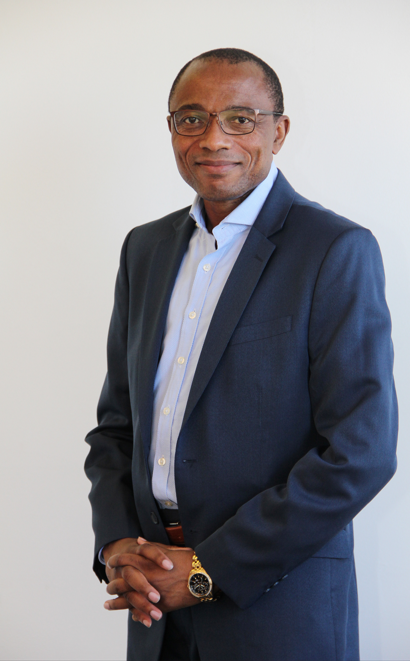
Professor Andre Pascal Kengne is a medical doctor and internist from the School of Medicine of Yaounde in Cameroon; and holds a PhD in medicine from the Sydney University, Australia. He is the current Director of Programs for Research at the African Population and Health Research Center (APHRC), and holds conjoint appointments as Professor at the Department of the Department of Medicine of the University of Cape Town, South Africa. He joined the APHRC from the South African Medical Research Council where he was for over 10 years Director of the Non-Communicable Diseases (NCDs) Research Unit. He has over 25 years of research experience on NCDs and has been involved in major regional and global initiatives on those conditions. He is member of the NCD-Countdown 2030 and immediate past member of the World Health Organisation’s Strategic Technical Advisory Group on NCD prevention and control. He has practiced Medicine in Africa, lectured and mentored on issues relating to chronic diseases and conducted research on those conditions at very high level both in Africa and at the global level. He is co-author of over 720 peer-reviewed articles, book chapters and monographs; and has received several distinctions during his career as a researcher.
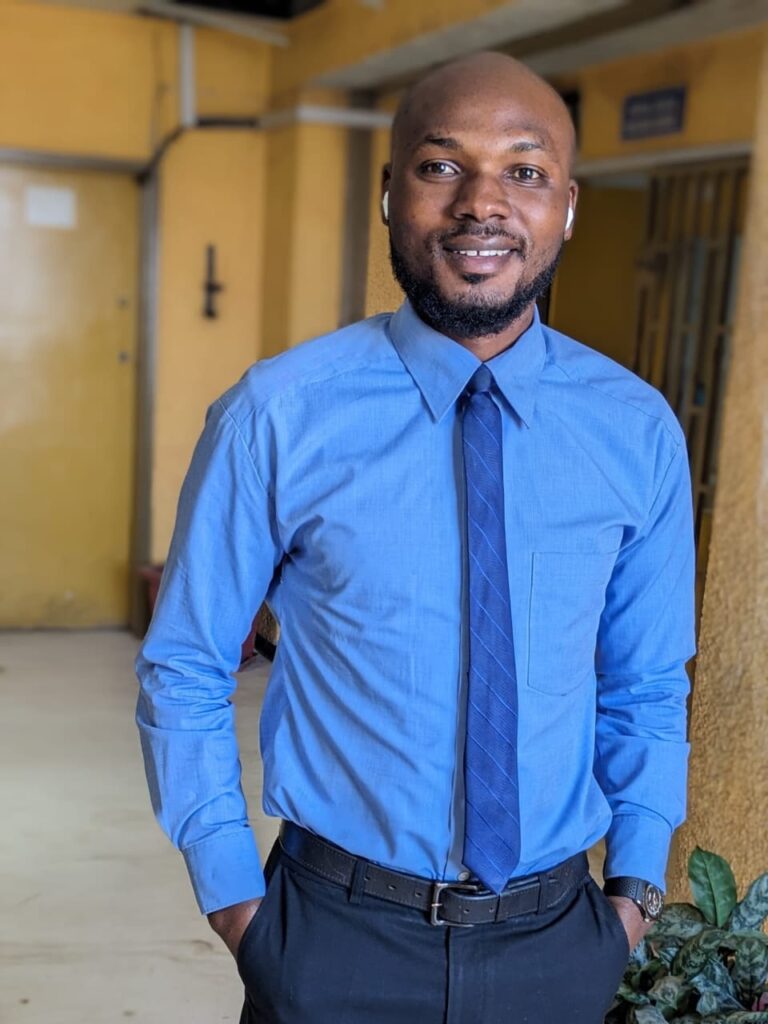
Mr Luckson Muwandia is a Biomedical Scientist at Chisomo Stump Inc Mission Hospital in Lusaka, Zambia, with expertise in clinical microbiology, antimicrobial resistance (AMR), malaria diagnostics, genomics, and infectious disease epidemiology. He holds a Bachelor of Science in Biomedical Sciences from Rusangu University and is currently pursuing a Master of Science in Epidemiology and Biostatistics at the University of Lusaka.
His work focuses on infectious disease diagnosis, antimicrobial susceptibility testing, genomic data analysis, and laboratory quality management. He has received training in genomics and bioinformatics, applying computational approaches to pathogen surveillance, molecular epidemiology, and AMR monitoring. He also holds a certificate in Mathematical infectious disease modelling, strengthening his ability to apply quantitative methods to infectious disease transmission, outbreak analysis, and public health decision-making. He has participated in outreach programmes with the Zambia Flying Doctor Service, supporting laboratory diagnosis of malaria and other infectious diseases in underserved communities.
Luckson is passionate about integrating laboratory medicine, genomic technologies, mathematical modelling, and public health research to strengthen disease surveillance and improve health systems in Zambia and across Africa.

Mr Silvester Mpanga is a Biomedical Technologist serving as Quality Officer at Isoka District Hospital, Zambia. His professional journey is a testament to resilience and purpose. Rising through hardship to become a voice for quality and integrity in laboratory medicine. Despite limited resources, he has led transformative initiatives that strengthen diagnostic reliability and patient care across district laboratory testing sites.
He champions continuous quality improvement under ISO 15189 and Strengthening Laboratory Management Toward Accreditation (SLMTA) frameworks, advancing biosafety and HIV testing standards. His accepted abstract on HIV rapid testing reliability reflects his commitment to evidence-based practice and community health impact.
Driven by a desire to upgrade his professional qualification to a Bachelor of Science in Biomedical Sciences, Silvester continues developing abstracts and advocacy materials focused on laboratory systems strengthening. Though financial constraints remain a challenge, his determination to grow and contribute meaningfully never wavers. His story embodies perseverance, turning obstacles into stepping stones toward excellence and service.

Rahab Kariuki is a researcher and data specialist specializing in clinical chemistry and bioinformatics. With a foundational background in Biochemistry and Clinical Chemistry, she has spent her career bridging the gap between laboratory science and actionable data. Currently, she is a PhD candidate at the University of Nairobi and the Co-Founder of KheriData 54, a healthcare data hub where she is diving deep into the systems biology of Type 2 Diabetes for her PhD research while building KheriData 54 to empower integrated patient management through analytics. She believes that the future of healthcare lies in the intersection of diagnostic excellence and data-driven insights.

Abdulrazaq Zimphango is a Medical Laboratory Sciences graduate from the Kamuzu University of Health Sciences (KUHeS), Malawi. His professional interests span molecular diagnostics, antimicrobial resistance (AMR), public health, and diagnostic innovation, with a focus on strengthening laboratory medicine and improving health outcomes through research and evidence-based practice. As an early-career scientist, he is passionate about translating scientific knowledge into meaningful public health impact.
Abdulrazaq is a co-founder of the Alliance Against Antimicrobial Resistance (Triple A Mw) Malawi, a youth-led organization dedicated to raising awareness, promoting research, and advancing advocacy on antimicrobial resistance. He is also an active member of Science for All, contributing to initiatives that make science more accessible, foster innovation, and inspire the next generation of scientists. Additionally, he has completed the Aspire Institute Leadership Programme and the ReAct Africa AMR Leadership Programme, experiences that have strengthened his leadership and advocacy skills. He aspires to contribute to the advancement of diagnostic technologies, laboratory medicine, and resilient health systems across Africa.
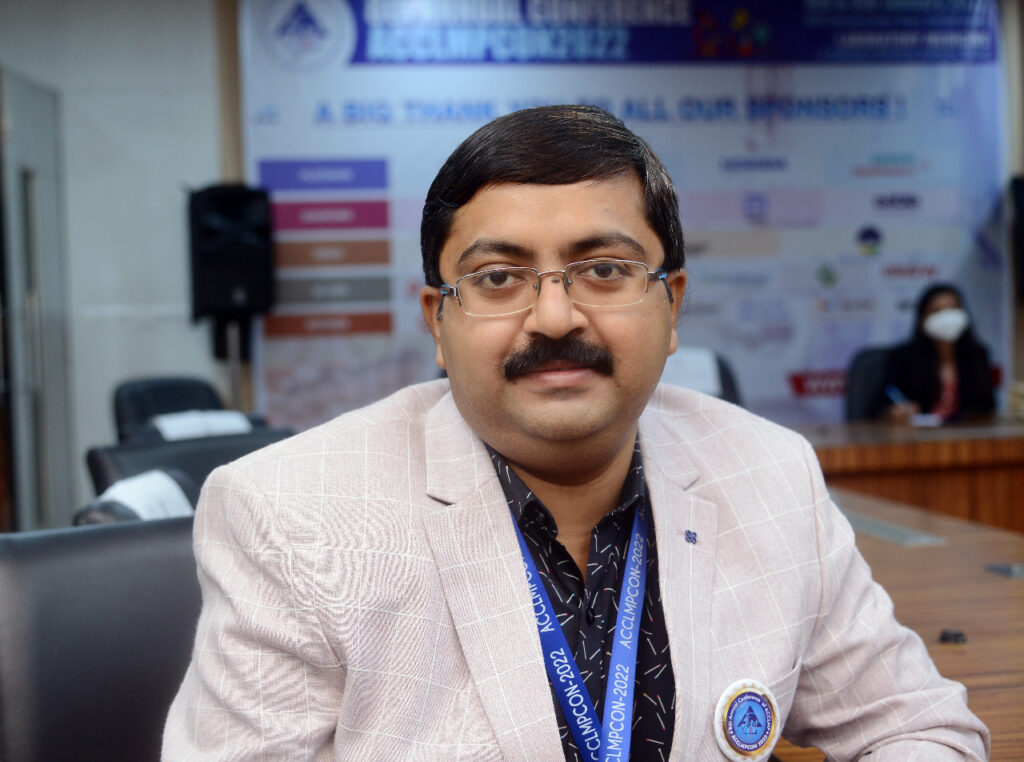
Dr. Anirban Ganguly is an Associate Professor of Biochemistry at the All India Institute of Medical Sciences (AIIMS), Deoghar, with extensive experience in medical biochemistry, laboratory medicine, teaching, and biomedical research. He holds MBBS, MD, DNB, and MNAMS qualifications, and has over ten years of post-MD teaching experience across leading medical institutions in India.
His academic and research interests span clinical biochemistry, molecular diagnostics, metabolic disorders, cancer biology, neurodegeneration, infectious diseases, oxidative stress, and emerging technologies in laboratory medicine. He has contributed to several funded research projects, including studies on cardiotoxicity, post-tubercular lung disease, and Alzheimer’s disease-related biomarkers.
Dr. Ganguly is actively involved in professional laboratory medicine networks, including the International Federation of Clinical Chemistry and Laboratory Medicine, the Association of Clinical Chemistry and Lab Medicine Practitioners, and the National Academy of Medical Sciences. He has also served as a topic editor for international journals and has authored multiple book chapters and scientific publications in areas such as immunology, cancer biology, metabolic syndrome, viral infections, artificial intelligence, and precision diagnostics.
Through his combined work in teaching, research, laboratory medicine, and emerging diagnostic technologies, Dr. Ganguly contributes to advancing modern biochemistry and precision diagnostics, with particular interest in how environmental exposures, multi-omics, and artificial intelligence can strengthen disease understanding and healthcare delivery.
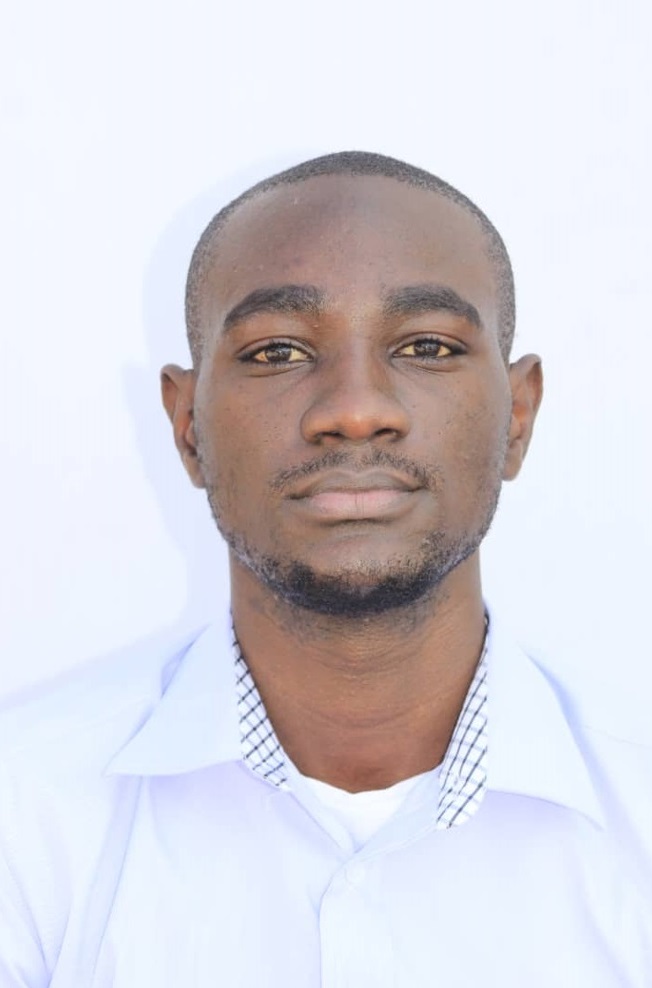
David Chisompola, MSc, is a Biomedical Scientist and Molecular Laboratory Scientist with over seven years of experience in clinical diagnostics, molecular biology, and infectious disease research. He currently serves as a PCR Laboratory Scientist at Arthur Davison Children’s Hospital, where he performs molecular testing for HIV Viral Load, Early Infant Diagnosis, Human Papillomavirus (HPV), COVID-19, and HIV Drug Resistance.
David holds a Master of Science (MSc) in Immunopathology and is currently pursuing a Doctor of Philosophy (PhD) in Genetics and Molecular Biology. His research interests include infectious diseases, antimicrobial resistance, HIV, HPV, maternal and child health, molecular diagnostics, immunology, and biomarker discovery.
He has authored and co-authored several peer-reviewed scientific publications and has presented his research at international scientific conferences. Beyond laboratory diagnostics, David is actively involved in research mentorship, scientific writing, peer review, and capacity building for biomedical science students and healthcare professionals. He is committed to strengthening laboratory systems and advancing evidence-based healthcare through high-quality research and collaborative scientific engagement.
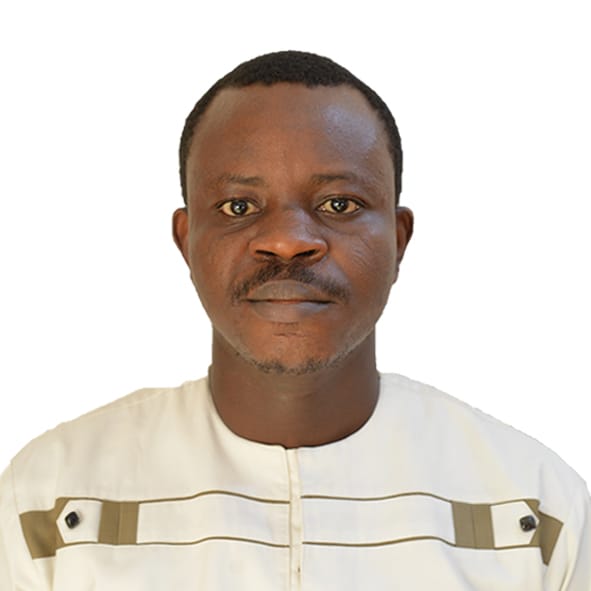
Emmanuel Chukwuemeka Ogbodo is a Medical Laboratory Scientist, Medical Writer, Data Analyst, and Lecturer in the Department of Medical Laboratory Science at David Umahi Federal University of Health Sciences, Uburu, Ebonyi State, Nigeria. He specialises in Clinical Chemistry/Chemical Pathology and has over nine years of professional experience in clinical diagnostics, laboratory medicine, biomedical research, and higher education.
He earned a Bachelor of Medical Laboratory Science (B.MLS) in Chemical Pathology and a Master of Science (M.Sc.) in Clinical Chemistry/Chemical Pathology from Nnamdi Azikiwe University, Awka, Nigeria. He is presently pursuing a Ph.D. in Clinical Chemistry at the Faculty of Medical Laboratory Science, Nnamdi Azikiwe University, Nnewi Campus, with research centered on nutritional and metabolic disorders.
Emmanuel is a self-motivated, innovative, and results-oriented researcher with strong expertise in scientific writing, data analysis, and evidence-based research. He has authored and co-authored over 60 peer-reviewed publications in reputable local and international journals and has presented his research at national scientific conferences, including the Association of Clinical Chemists of Nigeria (ACCN) Conference. His research interests include Clinical Chemistry, Laboratory Medicine, Nutritional and Metabolic Disorders, Phytomedicine, Phytonutraceuticals, Occupational and Environmental Toxicology. He is passionate about applying scientific evidence and emerging technologies to address contemporary global health challenges and improve healthcare outcomes. I am driven by a commitment to excellence in teaching, research, mentorship, and advancing laboratory medicine through interdisciplinary collaboration and innovation.
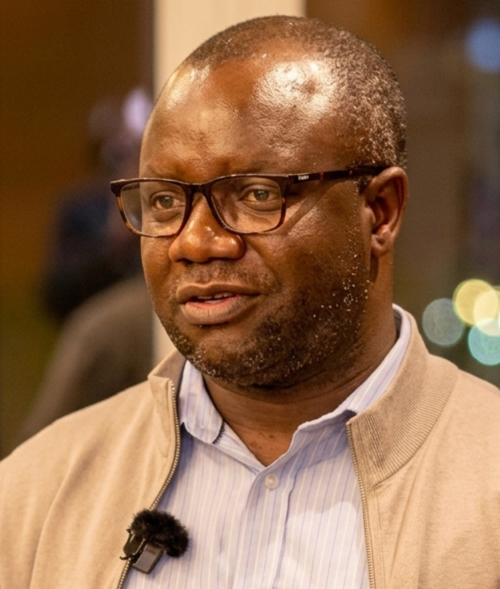
Situmbeko Liweleya., PhD
Researcher and Lecturer at Mulungushi University, School of Medicine and Health Sciences, Livingstone, Zambia.
Is a Medical Biochemist, Bioinformatician, Lecturer and Researcher in Metabolic conditions, CVDs and HIV associated complications.
Situmbeko’s research programme includes global health, clinical trials, implementation research, and HIV-Nutrition-Metabolic -NCD research. His studies are geared towards understanding initial biochemical events that contribute to immune dysfunction and subsequent disease progression.
Situmbeko received his PhD in Medical Biochemistry and Bioinformatics from Mulungushi University.
During this time, he acquired additional skills in machine learning, global gene therapy, spatial omics research and genomics analysis. He supports 36 undergraduate and 33 postgraduate students.

Professor AB Okesina was a former Vice Chancellor of Osun State University in Nigeria. He was also a former foundation Dean Faculty of Basic Medical Sciences and later Acting Provost of College of Health Sciences of the University of Ilorin. He graduated from University of Lagos with MBBS degree in 1980. He did residency training at the University of Ilorin Teaching Hospital Chemical Pathology. He became a Fellow of both NPMCN of Nigeria (1988) and West African College of Physicians (1989). He did Clinical Attachment at Institute of Neurology Queens Square London (1987-1989). He was a Commonwealth Medical Research Fellow at Hammersmith Hospital and Royal Postgraduate Medical School, Department of Endocrinology University of London (1991-1993). He was past president of African Federation of Clinical Chemistry. He was a member of Executive Board of INTERNATIONAL FEDERATION OF CLINICAL CHEMISTRY (IFCC) representing Africa (2018-2023).
He has trained more than 18 resident doctors who had become Consultant Chemical Pathologists and academicians practicing in various parts of world. Many are professors and some had been Deans of Faculty and Provost of Colleges of Health Sciences. He is currently the Secretary of African Federation of Clinical Chemistry. He is a foundation fellow of COPECSA. Member accreditation team and examiner for NPMCN and WACP since 1993. He is currently a Member of Faculty Board and previously served as the third Senate Member in the Faculty of Pathology of National Postgraduate Medical College of Nigeria.
He was the foundation secretary of MDCAN UITH branch and later served as Chairman of MDCAN UITH Branch for two terms.
He had been a Secretary and Chairman of Faculty of Laboratory Medicine of WACP. He was once the Chief Examiner for Faculty of Laboratory Medicine of WACP. He recently retired from University of Ilorin and currently on contract appointment with at the Kwara State University as a Professor of Chemical Pathology. His research interest in Diabetes and risk factors of cardiovascular diseases.
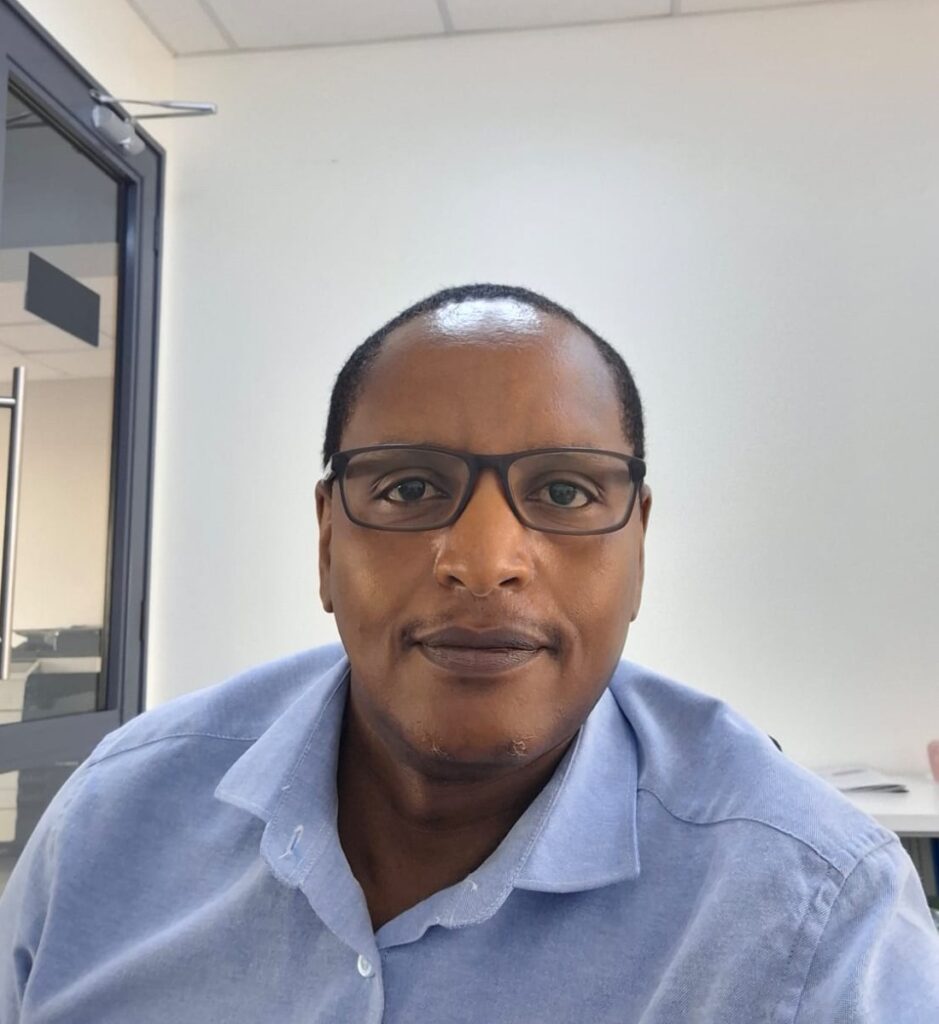
Dr Daniel Maina is a Consultant Clinical Pathologist & Assistant Professor at the Aga Khan University Hospital Nairobi (AKUHN) Kenya, Fellow of the College of Pathologists East, Central and Southern Africa (FCPATH ECSA)
He serves in the chemical pathology laboratory where he is engaged in service provision, teaching and research. He partnered with cardiology colleagues to establish the lipid clinic at the Aga Khan Hospital and the Lipid and Atherosclerosis Society of East Africa (LASEA). He is the Chair of the hospital Point of Care Testing (POCT) Committee as well as a member of the African Federation of Clinical Chemistry (AFCC) POCT and NBS committees. He recently spearheaded the establishment of the NBS program at AKUHN.
His research interests are in the areas of metabolic & genomic medicine and Point of Care diagnostics.
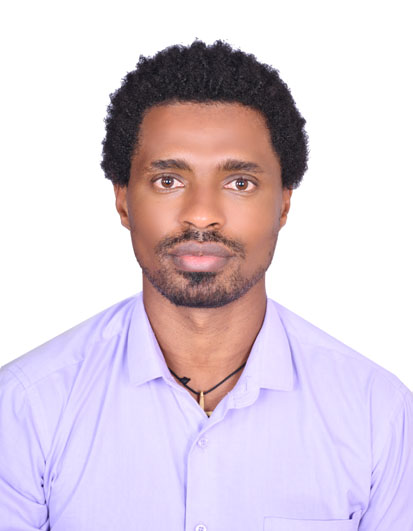
Wasihun Admassu is a chief expert in Medical Laboratory Science at Jimma University Medical
Center, specializing in Immunology. He holds a Bachelor’s degree in Medical Laboratory
Science from Jimma University (2009), a postgraduate degree in Immunology from the
University of Gondar (2019), and an M.A. in Project Management and Finance from Jimma
University (2022). With over 15 years of combined experience in service, teaching, and research,
he has played a key role in establishing COVID-19 laboratories and advancing accreditation
programs for mycobacteriology research centers and other laboratory units at Jimma University
Medical Center.
Wasihun has also led hospital information system implementation projects, focusing on
diagnostic information systems to enhance healthcare delivery. His recent research on blood
utilization trends and e-health service adoption has been recognized through poster and oral
presentations at international conferences. At this conference, he will present “Analyzing Health
Service Employees’ Intention to Use E-Health Systems in Southwest Ethiopia: Using the
UTAUT-2 Model,” providing insights into factors such as user-friendly technology, job
effectiveness, clinical performance, and digital habits that influence e-health system adoption in
resource-limited settings.
As an emerging researcher, Wasihun has published in high-impact journals including PLOS
ONE, Nature Portfolio, and BMC Health Services Research. His study on TB diagnostic
biomarkers, published in Frontiers in Immunology, earned the Best Oral Presentation award at
the Ethiopian Medical Laboratory Annual Conference.
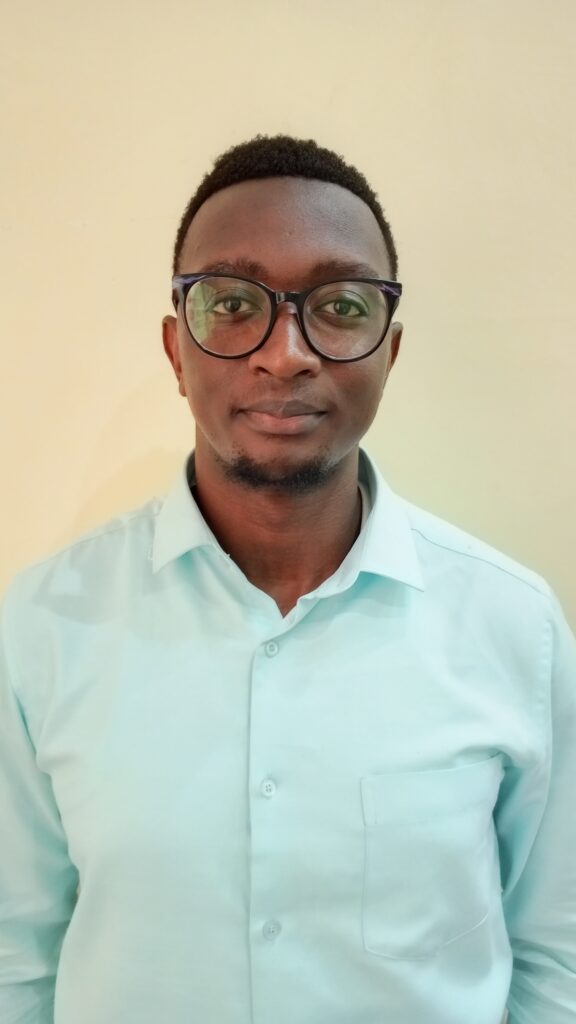
David Ng’ang’a is a Medical Laboratory Scientist with a keen interest in laboratory quality management, accreditation, and continuous quality improvement. He has been actively involved in implementing ISO 15189:2022 quality management systems and supporting laboratory strengthening initiatives in Kenya. His work focuses on developing practical approaches to accreditation through staff capacity building, mentorship, and quality system implementation. David is passionate about advancing laboratory excellence and improving patient care through reliable, high-quality diagnostic services.
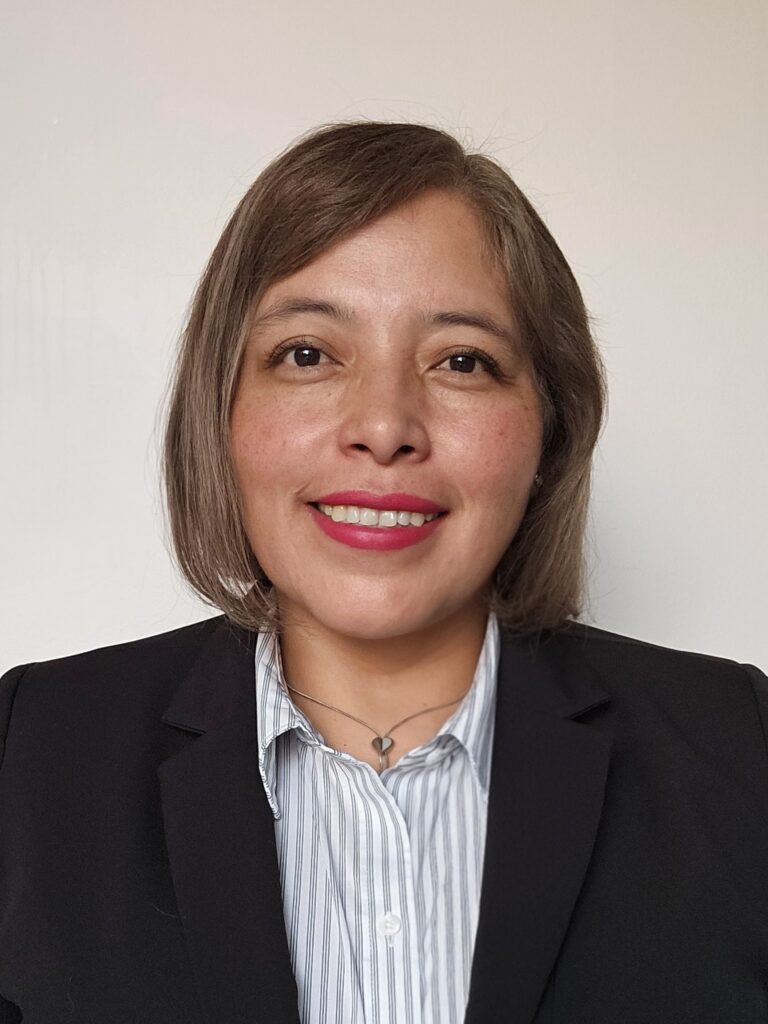
Ixchel De La Luz-Martínez is an accomplished laboratory medicine specialist with a distinguished career deeply rooted in Newborn Screening (NBS) and pediatric public health since 2008. She is the Founder and Scientific Chief Officer of DETamiz, an IFCC Expert in the Neonatal Screening Preanalytical Phase, and an International Key Opinion Leader for Becton Dickinson de México since 2015, specializing in newborn screening preanalytical systems. Her outstanding contributions to neonatal care and tecnovigilance earned her the prestigious AACC (now ADLM) Management Sciences and Patient Safety Abstract Award Patient Safety Award in 2020. Furthering her impact in this discipline, she has been a member of the AFCC Newborn Screening Committee since March 2026. In addition to her extensive clinical focus on NBS, Ixchel possesses broad expertise in Forensic Genetics. As the founder of identidADN, she frequently serves as an official court-appointed expert witness, conducting critical legal and technical testimonies in both forensic genetics and laboratory medicine, seamlessly bridging advanced analytical science with diagnostic precision and scientific rigor.
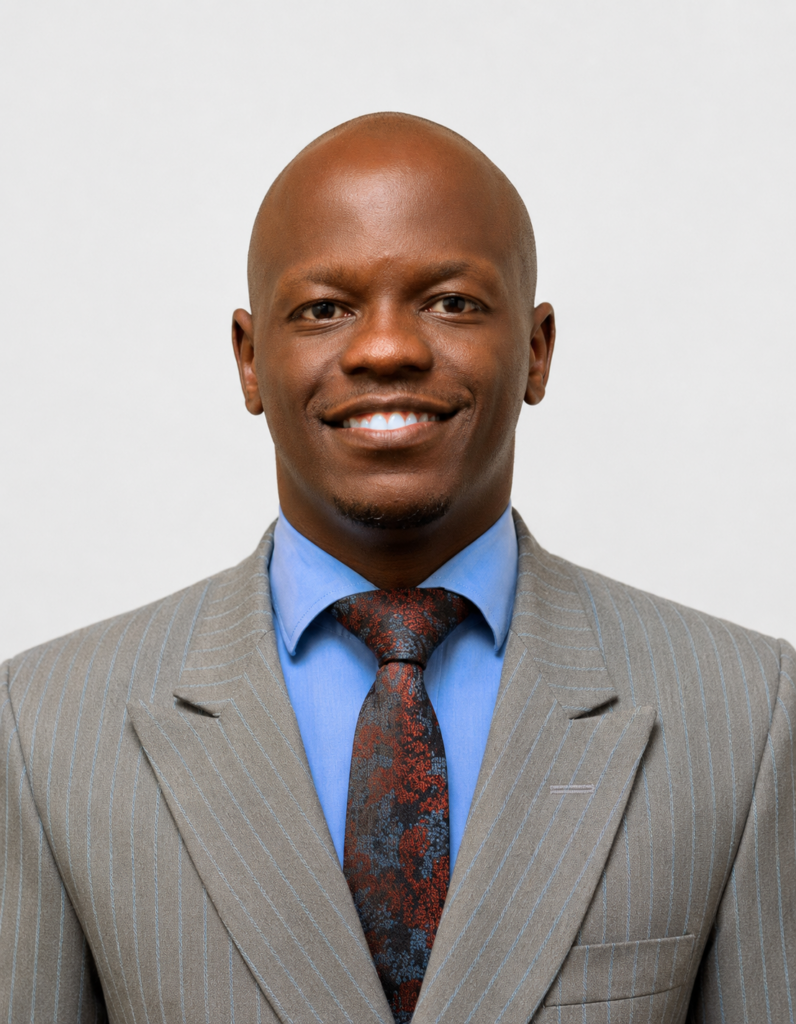
Ronald Khunga is a Biomedical Scientist and Proficiency Testing Scheme Manager with the Kamuzu University of Health Sciences Quality Assurance Programme (KUQAP) in Malawi. He has extensive experience in clinical chemistry, haematology, laboratory quality management, external quality assessment and point-of-care testing.
At KUQAP, Ronald supports the design, implementation, and evaluation of national proficiency-testing programmes, including full blood count and clinical chemistry schemes. He played a central technical and managerial role in strengthening KUQAP’s quality management system and proficiency-testing processes, contributing to the programme being recommended by SANAS for ISO/IEC 17043:2023 accreditation.
Ronald is Vice-Chair of the African Federation of Clinical Chemistry Young Scientists Taskforce and a member of the IFCC Task Force on Global Laboratory Quality. He previously served on the IFCC Committee on Public Relations. His professional interests include using EQA data to identify laboratory performance risks, guide targeted quality-improvement interventions and strengthen diagnostic services in resource-limited settings.
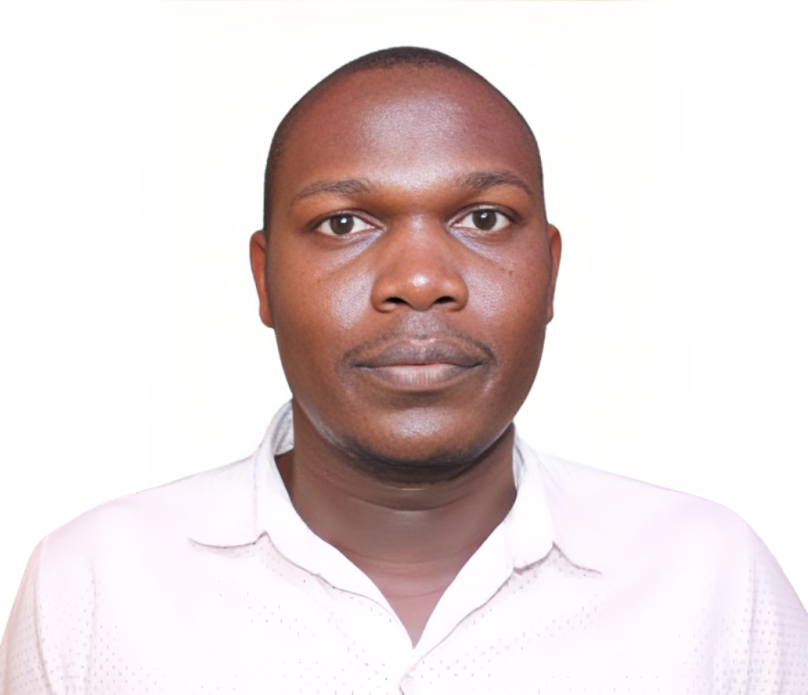
Francis Owuor Awino is a quality-driven Medical Laboratory Officer with expertise in haematology and transfusion medicine. He is proficient in conducting both routine and specialized laboratory investigations across multiple disciplines, including molecular sciences, microbiology, clinical chemistry, histocytopathology, and immunology.
He holds a Bachelor of Science in Medical Laboratory Sciences with IT from Maseno University and is currently pursuing a Master of Medical Laboratory Sciences in Haematology and Blood Transfusion Science at Jomo Kenyatta University of Agriculture and Technology, with a research interest in chronic myeloid leukaemia.
Francis is registered and licensed by the Kenya Medical Laboratory Technicians and Technologists Board and has received training and certification from KENAS in Method Verification and Uncertainty of Measurement. He currently practises at The Nairobi Hospital and is a member of the Laboratory Medicine Society of Kenya.
With a strong commitment to accuracy, quality, and timely service delivery, Francis demonstrates excellent attention to detail and is dedicated to maintaining high standards in laboratory practice and patient care.

Franco Jordan Kandama is a Biomedical Scientist with over three years of professional experience in medical laboratory diagnostics, biomedical research, and laboratory systems strengthening. He has worked across hospital laboratories, research institutions, and national health programmes, contributing to HIV, tuberculosis, Malaria, HPV, genomic surveillance, antimicrobial resistance (AMR-including MDR/XDR-TB) and clinical chemistry programmes.
He currently serves as Senior Program Officer, Biomedical Scientist, and Research Lead at the Churches Health Association of Zambia (CHAZ) Laboratory Service and Research Department, where he provides technical services and leadership in diagnostic services, laboratory systems strengthening, molecular diagnostics and Genomics. He also serves as Secretary of the African Federation of Clinical Chemistry (AFCC) Standardization and Traceability Committee and is an active member of the AFCC Young Scientists Forum. In addition, he is an active member of the Biomedical Society of Zambia (BMSZ) and the Coordinator and Founder of the LAB & YOU Initiative, a platform promoting public awareness of laboratory medicine.
Franco is currently pursuing a Master of Science in Epidemiology and Biostatistics at the University of Lusaka. He holds a Bachelor of Science in Biomedical Sciences from the Copperbelt University School of Medicine and a Certificate in Leadership, Sustainability and Development from the Friedrich Ebert Stiftung (Germany).
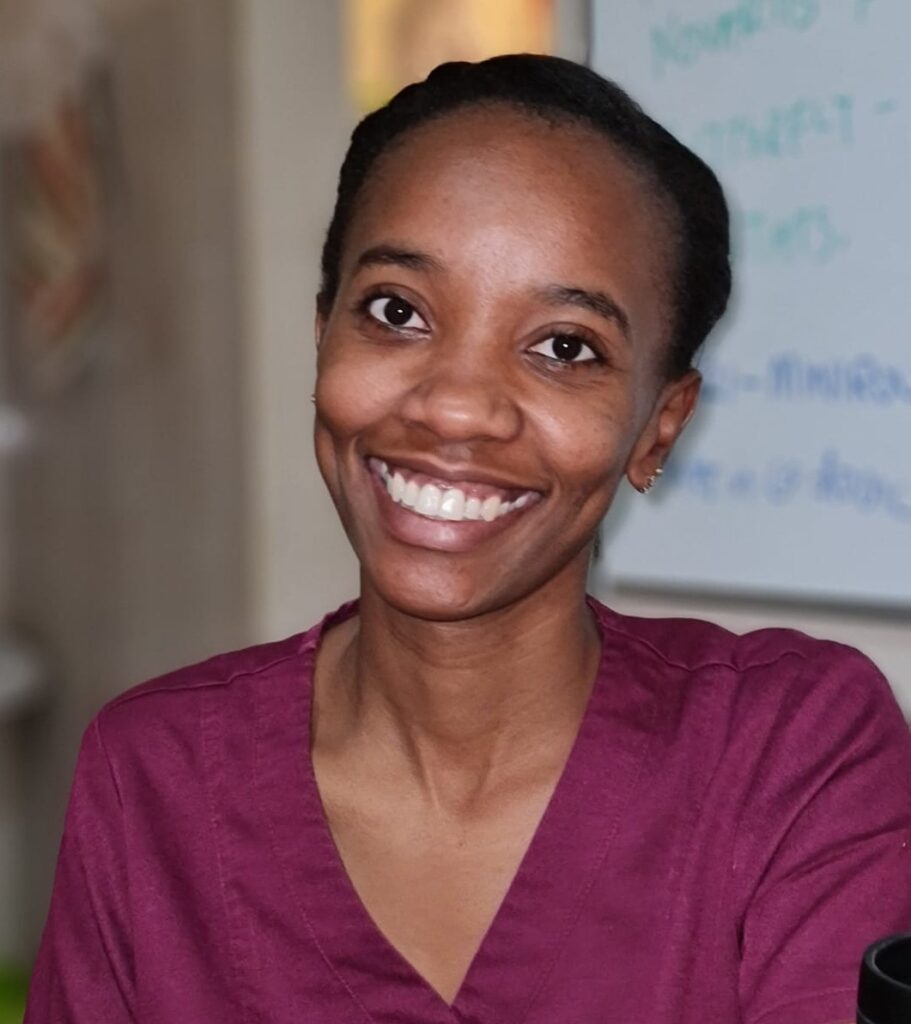
Dr Rosemary Gacheri Mbijiwe is a fourth year Human Pathology resident at the University of
Nairobi, Kenya. She has a keen interest in research and evidence based laboratory medicine, with
a particular focus on improving diagnostic practice and patient care in Africa. She is passionate
about advancing pathology through research, collaboration and continuous learning.

Nyasha Nguluwe is a final-year Bachelor of Medical Laboratory Science (Honors) student at
Kamuzu University of Health Sciences (KUHeS), Malawi, with a strong interest in infectious
diseases, molecular diagnostics, and diagnostic innovation. His work focuses on developing
accessible molecular diagnostic technologies to improve disease detection in resource-limited
settings. He has received training in assay development, bioinformatics, manufacturing, and
commercialization of molecular diagnostics through ZiP Diagnostics in Melbourne, Australia, and
has completed laboratory placements at leading clinical and research institutions in Malawi and
Australia. Nyasha previously served as President of the KUHeS Students Association of Medical
Laboratory Science and is currently a Youth Ambassador for Mary’s Meals Malawi. He is a
recipient of the MDHS Impact Program Grant from the University of Melbourne and has been
recognized for excellence in research and innovation, including the Dean’s List Award and Third
Best Innovation at the KUHeS Research Dissemination Conference
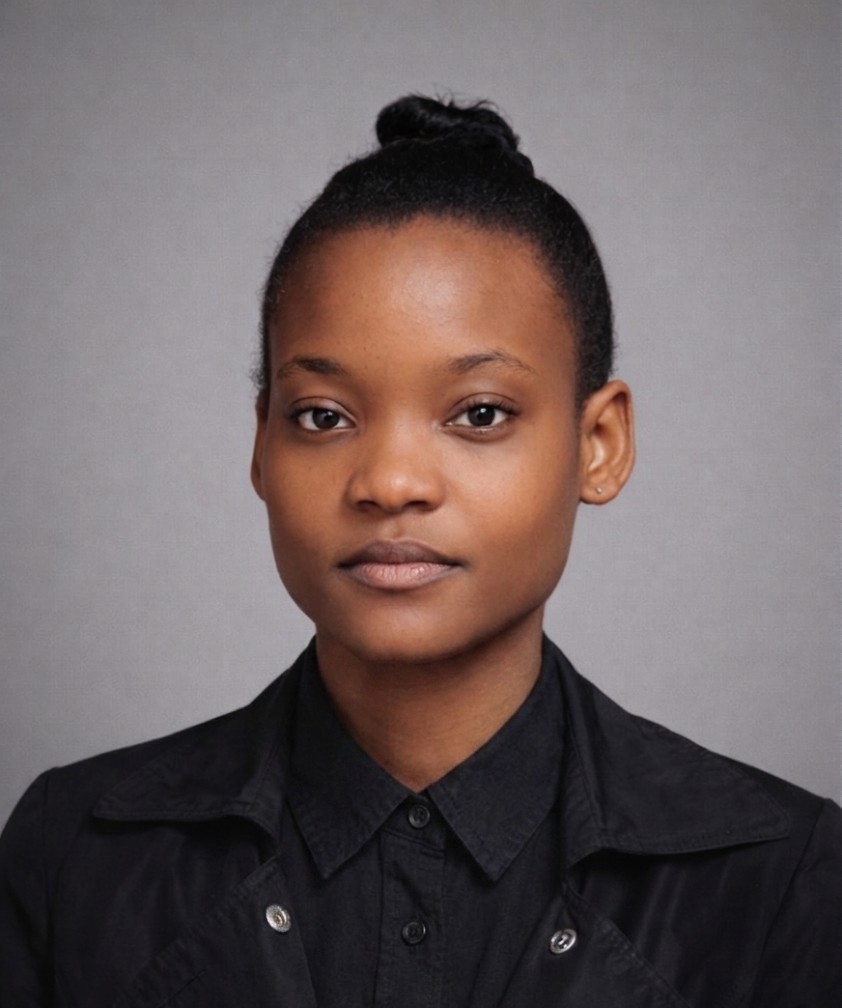
Thandie Dzundi is a young Scientist and a recent graduate in Medical Laboratory Sciences from Malawi, with research interests in public health, diagnostic quality assurance, and health systems strengthening. Her work focuses on advancing diagnostic systems in low- and middle-income countries through quality improvement approaches, with the aim of enhancing access to reliable diagnostics and supporting stronger health systems.
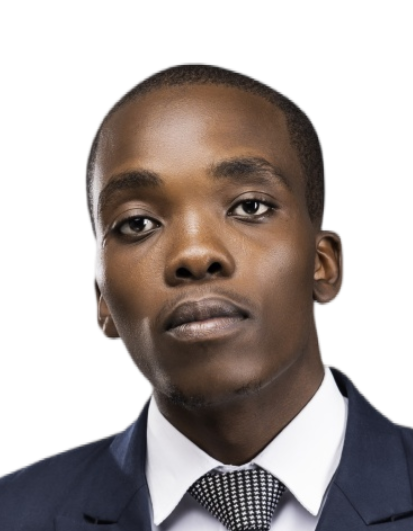
Frank Chalero is a graduate Medical Laboratory Scientist from University of Malawi College of Medicine now Kamuzu University of Health Sciences (KUHeS), Malawi, where he earned a Bachelor of Medical Laboratory Sciences (Honours). His interests lie in clinical chemistry, laboratory quality management, diagnostics, and implementation research aimed at strengthening healthcare systems in resource-limited settings.
Frank has recently contributed to research on point-of-care testing (POCT) quality assurance in Malawi, with his work examining the relationship between recent POCT-to-laboratory comparisons and internal quality control practices. His research has been accepted for presentation at the 8th AFCC and IFCC WorldLab New Delhi 2026 congresses, reflecting his commitment to promoting evidence-based laboratory medicine.

Dr. Mercy Solomon Luka (MBBS, MPH, MD, FMCPath) is a Consultant Chemical
Pathologist/Metabolic Physician at Jos University Teaching Hospital and a Senior Lecturer in the Department of Chemical Pathology, Bingham University, Karu, Nigeria. Her research focuses on Diabetes Mellitus, Endocrinology, tuberculosis diagnostics and laboratory medicine, with particular interest in biomarkers of glycaemic monitoring and improving diagnostic
services in resource-limited settings. She has authored and co-authored several peer-reviewed scientific publications and has
presented her work at national and international scientific conferences. Dr Mercy is actively involved in medical education, clinical research, and strengthening laboratory services to improve patient care in resource-limited settings.
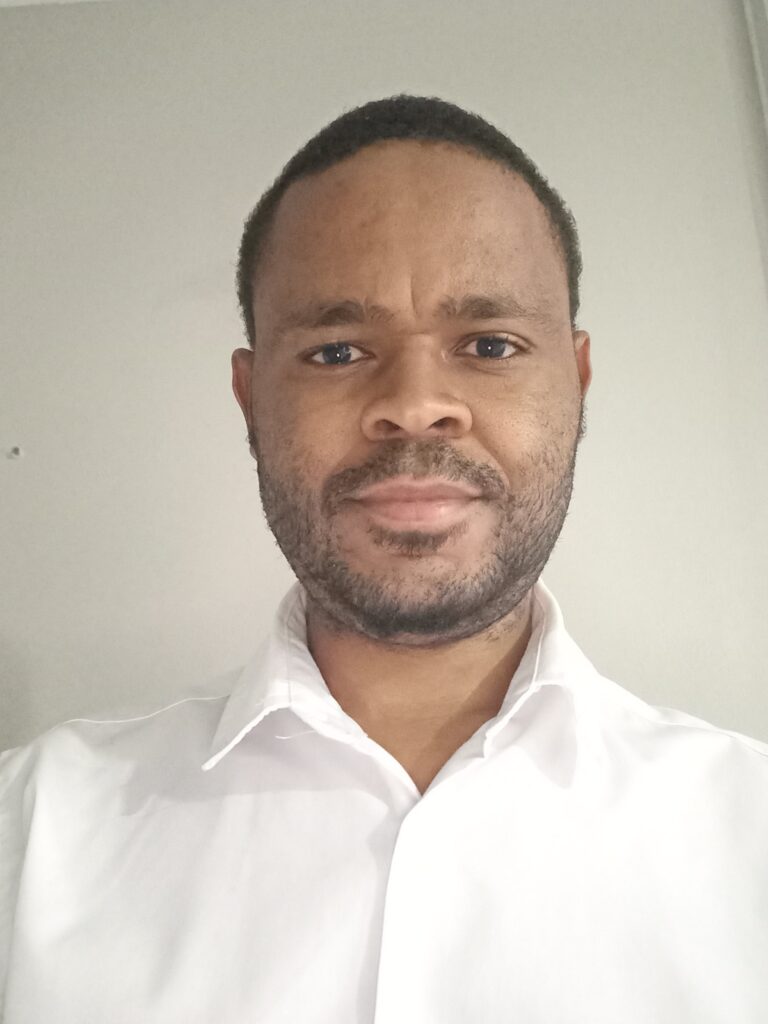
Dr Tumelo M. Satekge is a Chemical Pathologist at the Ampath National Reference Laboratory
and is affiliated with the University of Limpopo, South Africa. His research interests include
paediatric laboratory medicine, inherited metabolic diseases (IMD), undiagnosed rare diseases,
newborn screening (NBS), and clinical genomics.
Dr Satekge has presented his research at numerous international scientific congresses,
delivering presentations on various aspects of NBS, IMD, and clinical genomics. He
has authored and co-authored several peer-reviewed publications in these fields. He serves as
the Secretary of the South African Association of Clinical Biochemistry and Laboratory
Medicine (SAACB) and the Secretary of the AFCC Newborn Screening Committee, where he
contributes to advancing laboratory medicine and NBS initiatives across Africa.
Dr Satekge is currently pursuing a PhD in Chemical Pathology at the University of Limpopo. His
doctoral research focuses on integrating metabolomics and genomics to improve the diagnosis
of undiagnosed IMD in Limpopo Province, with the broader goal of strengthening precision
medicine and rare disease diagnostics in resource-limited settings.
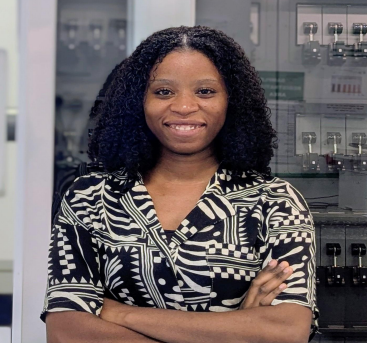
Cynthia Banda Kasonde is a Biomedical Scientist, Public Health Specialist, andSeniorLaboratory Officer at the Churches Health Association of Zambia (CHAZ), wheresheleadsquality initiatives supporting over 160 mission health facilities and laboratories acrossZambia.She has more than eight years of experience in laboratory quality management, diagnostics,and health systems strengthening. Cynthia is a certified ISO 15189 SADCAStechnicalassessor, one of Zambia’s youngest Quality Management Systems (QMS) mentors, andanexpert in laboratory accreditation, ISO 15189 and ISO 17043 implementation, external qualityassessment, biosafety and biosecurity, integrated disease diagnostics, andtrainingandmentoring laboratory personnel in quality systems and accreditation. She has playedakeyrolein national laboratory quality initiatives, including developing Zambia’s QMSguidelines,governance structures, and training curriculum, and recently led the establishment of thecountry’s first ISO 17043-aligned malaria rapid diagnostic test proficiency testingprogrammethrough a South–South collaboration. She serves as Chairperson of the National MalariaQuality Assurance Technical Working Group and serves as a member of the National QMSTechnical Working Group. Beyond her technical roles, Cynthia is a passionateadvocateforlaboratory medicine and the critical role of diagnostics in strengthening health systems. AsaRoche and (RED) Partnership Ambassador, she champions equitable accesstoqualitydiagnostics and raises awareness of the value of laboratory medicine in improvinghealthoutcomes across Africa. Her research interests include diagnostic quality assurance, laboratorysystems strengthening, surveillance, and implementation science.
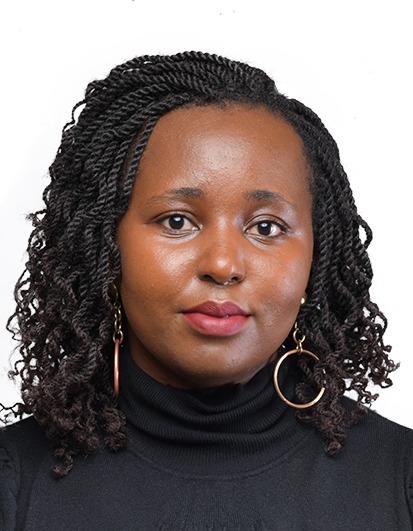
Dr. Joan Gikundi is a fourth-year resident in Clinical Pathology at Aga Khan University, Nairobi, with a passion for advancing access to quality laboratory diagnostics in the region. Her research interests lie in point-of-care diagnostics with a focus on validating analytical platforms for clinical use in resource-varied settings. Her recent work compared point-of-care and laboratory-based glucose analyzers for diagnosing gestational diabetes mellitus (GDM), supervised by Prof. Geoffrey Omuse, Dr. Daniel Maina, and Dr. Felix Oindi. She is committed to bridging diagnostic accuracy research with practical clinical application and continues to build expertise in laboratory quality improvement.
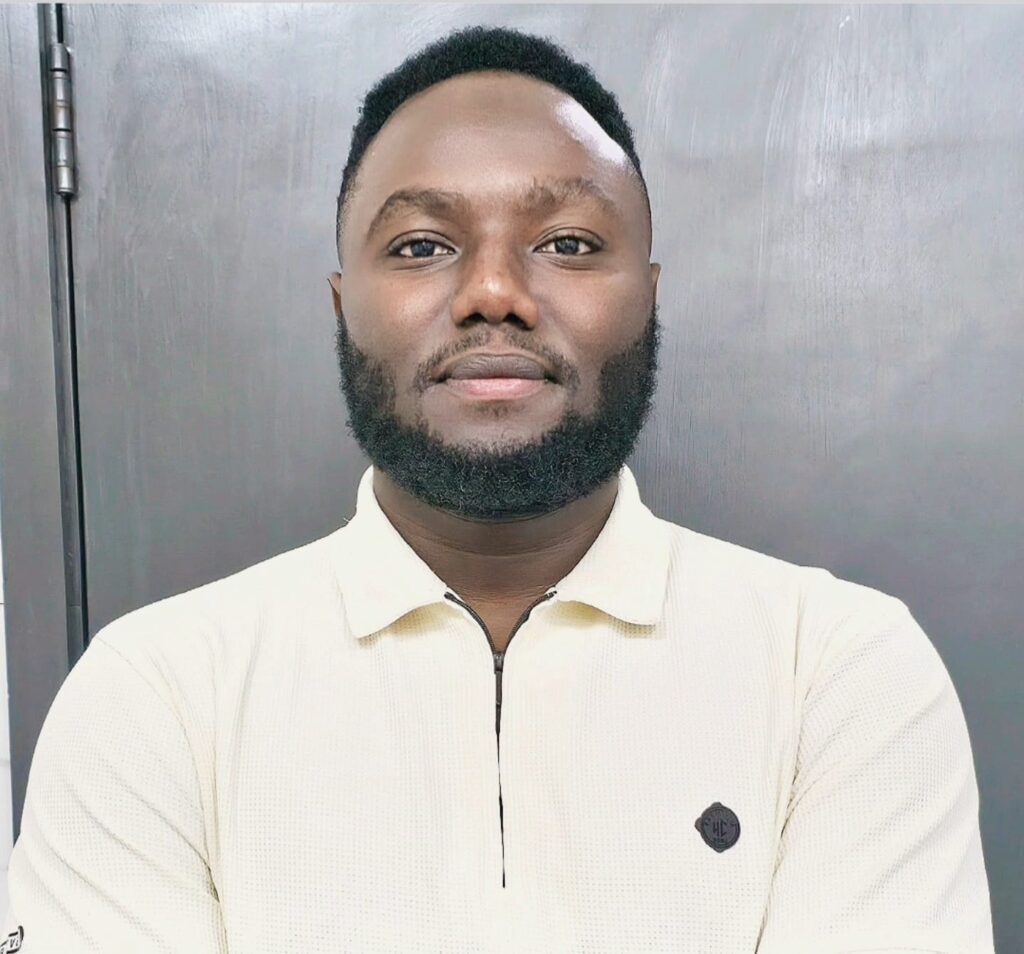
Stephen Ngigi Mburu is a Medical Laboratory Scientist, Clinical Chemist, researcher, educator, and passionate advocate for excellence in laboratory medicine. He holds a Master of Science in Medical Laboratory Sciences (Clinical Chemistry/Chemical Pathology) and is currently pursuing a PhD in Clinical Chemistry/Chemical Pathology, with research focused on translational approaches to cardiovascular disease, hyperlipidemia, atherosclerosis, and the therapeutic potential of medicinal plants.
Stephen serves as an Assistant Lecturer at Kenya Methodist University (KEMU), where he teaches and mentors undergraduate students in Clinical Chemistry, Biochemistry, and other laboratory science disciplines. He is equally a Laboratory Practitioner at Avenue Healthcare, where he contributes to the delivery of high-quality diagnostic laboratory services while championing quality management systems, patient safety, and evidence-based laboratory practice.
His research has significantly contributed to the understanding of cardioprotection, anti-atherosclerotic therapies, and phytomedicine, with findings published in reputable peer-reviewed journals, including PubMed-indexed publications. His work bridges basic laboratory research with clinical application, reflecting his commitment to translating scientific discoveries into improved patient care.
Stephen has received advanced training in bioinformatics through the H3ABioNet Africa programme, equipping him with expertise in genomic data analysis, molecular biology, and computational approaches to biomedical research. This interdisciplinary training strengthens his ability to integrate bioinformatics with laboratory diagnostics and precision medicine.
As an active member of the Clinical Chemistry Association of Kenya (CCAK) and a member of its Local Organising Committee, Stephen is committed to advancing the practice of Clinical Chemistry through scientific research, professional development, mentorship, and collaborative engagement. His professional interests include clinical chemistry, chemical pathology, molecular diagnostics, laboratory quality management, translational medicine, biomarker discovery, and the application of emerging technologies to improve healthcare outcomes.
Driven by a vision of strengthening laboratory medicine across Africa, Stephen is dedicated to promoting innovation, research excellence, and continuous professional development. He believes that high-quality laboratory diagnostics are the cornerstone of effective healthcare and remains committed to inspiring future laboratory professionals while advancing the impact of Clinical Chemistry in patient care and public health.

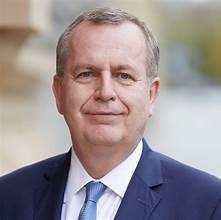
Prof Zima
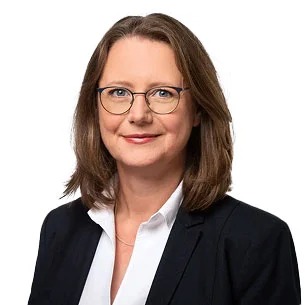
Dr. Anja Kessler
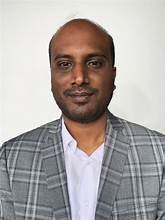
Dr A Rampul (S A)
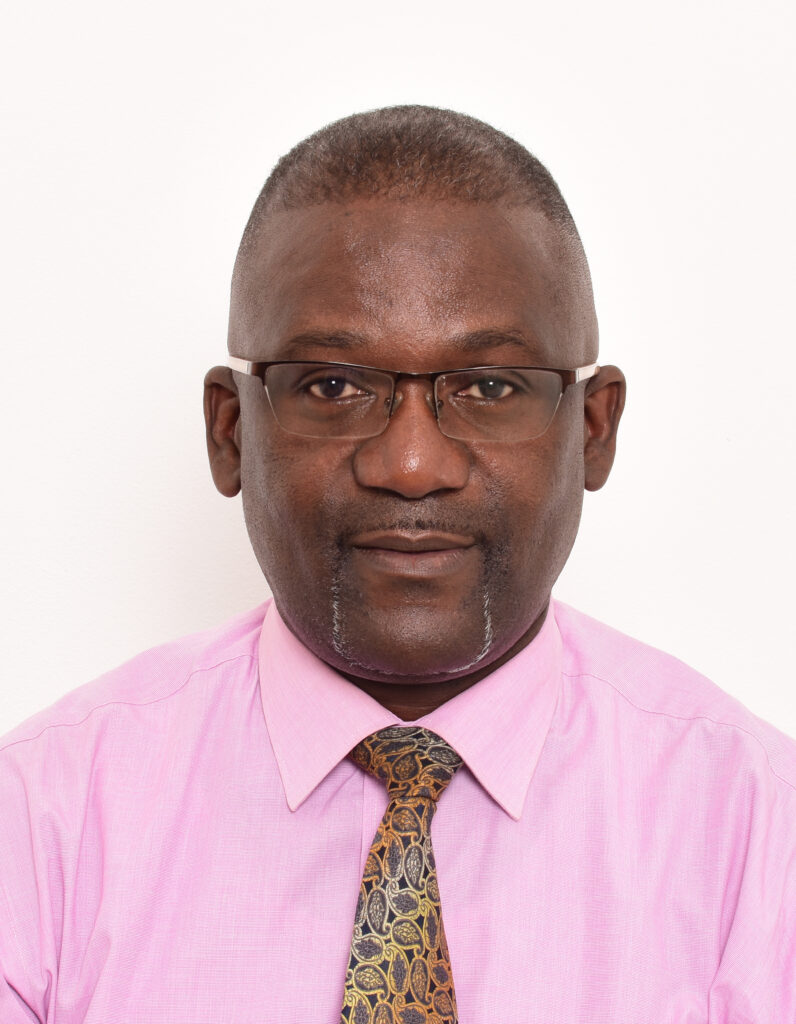
Mr H Lumano
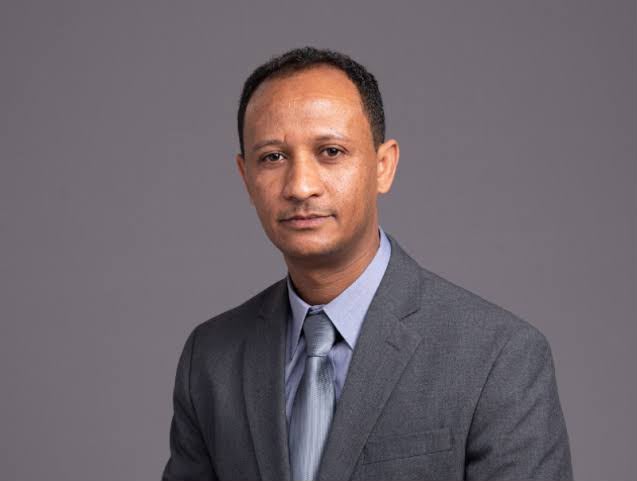
Dr M Tesfazghi

Dr Lam

Prof. Joseph Eberendu Ahaneku is a distinguished Nigerian Professor of Chemical Pathology, academic leader, researcher, and university administrator. He obtained his PhD in Chemical Pathology from the University of Ibadan at the age of 28 and became a Professor of Chemical Pathology at Nnamdi Azikiwe University at the age of 35.
He began his academic career as a foundation staff member in the Department of Chemical Pathology at Nnamdi Azikiwe University and later served as Honorary Consultant Chemical Pathologist at Nnamdi Azikiwe University Teaching Hospital. In 1993, he won the highly competitive Science and Technology Agency of Japan fellowship, becoming the first Nigerian and only African recipient that year. He was later named STA Foreign Researcher of the Year in Japan in 1994.
Prof. Ahaneku has held several major leadership positions, including Deputy Vice-Chancellor Academic of Nnamdi Azikiwe University, Director and Board Chairman of the Confucius Institute partnership between Nnamdi Azikiwe University and Xiamen University, and the 5th substantive Vice-Chancellor of Nnamdi Azikiwe University from 2014 to 2019. He also chaired the Committee of Vice-Chancellors of Nigerian Universities and the Association of Vice-Chancellors of Nigerian Universities.
He has served in numerous national and international academic, scientific, and professional bodies, including the Nigerian Academy of Science, the Academy of Medical Sciences of Nigeria, TETFund research committees, and the African Federation of Clinical Chemistry. He is also the immediate past National President of the Association of Clinical Chemists of Nigeria and has been recognized with multiple fellowships across scientific, health, safety, forensic, and professional societies.
Prof. Ahaneku is currently the pioneer Vice-Chancellor of the National University of Science and Technology, Abuja, Nigeria’s foremost postgraduate university focused on apprenticeship-based learning. He is married to Prof. Gladys Ifesinachi Ahaneku, a Consultant Cardiologist, and they are blessed with five children.
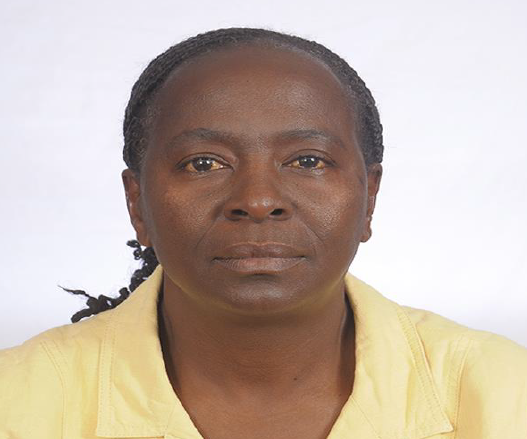
Dr. Angela Amayo is an Associate Professor at the University of Nairobi, Kenya and Consultant Clinical Pathologist at the Kenyatta National Hospital and The Nairobi Hospital. She completed her Medical and General Human Pathology training at the University of Nairobi. She also has a Masters in Global Bioethics from Anahuac University (Mexico) and a Diploma in Total Quality Management from the Kenya Institute of Management. She was previously the President of the Clinical Chemists association of Kenya (CCAK) and former Treasurer of the African Federation of Clinical Chemistry (AFCC). Currently she serves as an Advisory Board member of the Human Quality Assessment Scheme (HUQAS). She is also the Chair of the joint Kenyatta National Hospital/University of Nairobi Ethics and Research Committee and a member of the IFCC Taskforce on Ethics.
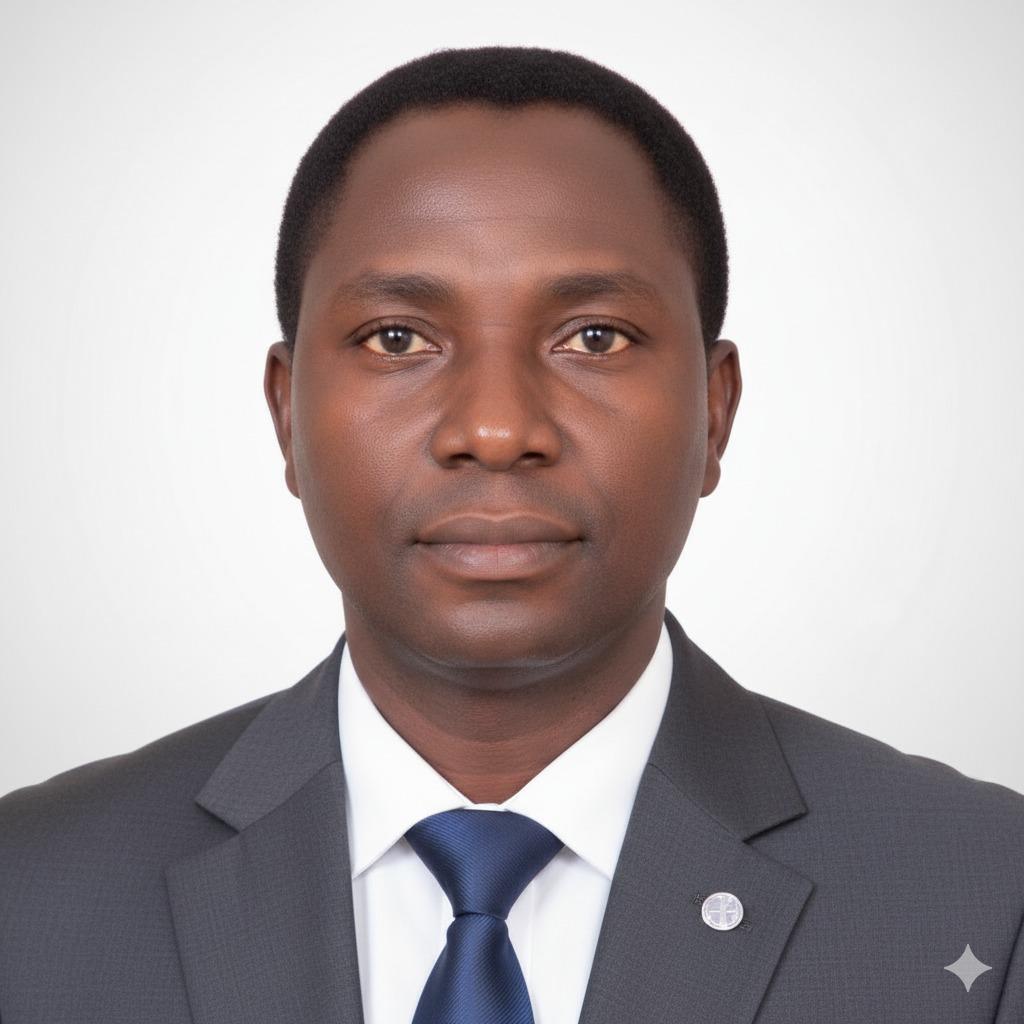
Professor Tewogbade Adeoye Adedeji is a Professor of Chemical Pathology at Obafemi Awolowo University and a Consultant Chemical Pathologist at the Obafemi Awolowo University Teaching Hospitals Complex, where he currently serves as Head of Department. He is actively involved in clinical service, medical education, and biomedical research. During postgraduate residency training in Chemical Pathology, He won the Dr. Alexander. E. Boyo Prize (Part I) and the Dr. Victor. C. Wakwe Prize (Part II) as best candidate.
Professor Adedeji is the ACCN Corresponding Member of the IFCC Committee on Kidney Disease and a founding collaborator of the CKD-Africa Consortium. His research focuses on kidney function assessment, chronic kidney disease and acute kidney injury biomarkers, renal effects of chemotherapy and antiretroviral therapy, and renal health in diabetes, sickle cell disease, HIV/AIDS, and cancer. His current work explores renal iohexol clearance across diverse pathological conditions.
He has authored/co-authored many peer-reviewed publications and supervised/co-supervised several postgraduate theses/dissertations. Professor Adedeji has made significant contributions to clinical chemistry, laboratory medicine, biomarker evaluation, reference intervals, and evidence-based diagnostics. He also serves as a peer reviewer for leading international journals in clinical chemistry and laboratory medicine.

Fridah Muthoni Mukunya is a registered nurse and Clinical Chemistry professional with experience in nursing education, clinical practice, and laboratory medicine. She holds a Bachelor of Science in Nursing and a Master of Science in Clinical Chemistry. Her work is driven by an interest in bridging the gap between nursing and laboratory medicine by promoting the effective use of laboratory information in patient care and clinical decision-making.
She is passionate about education, research, and interdisciplinary collaboration, with the aim of contributing to improved healthcare practice through knowledge sharing and evidence-based approaches.
Name
Country
Dr Gizachew
Ethiopia
Dr Raghubeer
SA
Prof A Zemlin
SA
Dr A Don-Wauchope
Canada
Dr AR Assad
Egypt
Mr H Lumano
Zambia
Dr M Tesfazghi
India
Prof Idris Mohammed
Nigeria
Dr B Van Deventer
SA
Prof R Punchoo
SA
Prof T Pillay
SA
Prof Zima
Czechia
Dr Jairam
India
Prof Bhargava
India
Prof Amayo
Kenya
Prof Erasmus
SA
Dr Lam
Singapore
Prof Omuse
Kenya
Prof Okesina
Nigeria
Dr Cyrus Matheka
Kenya
Dr Maina
Kenya
Dr L Martinez
Mexico
Dr T Satekge
SA
Mr K Kiptim
Kenya
Dr A Rampul
SA
T Ravalico
USA
FJ Kandama
Zambia
A Fataar
SA
Dr S Narawade
India
Prof A Adedeji
Nigeria
A Davids
SA
Prof Nyasulu
SA
Dr Kruger
SA
Prof A Kengne
Kenya
Dr B Gouget
France
Prof F Doucet Populaire
France
Dr Shah
India
Dr Ganguli
India
Prof C Berry
Germany
Dr Matshazi
SA